Cavapoo Dog: Price, Size, Temperament, and Care Guide 2026
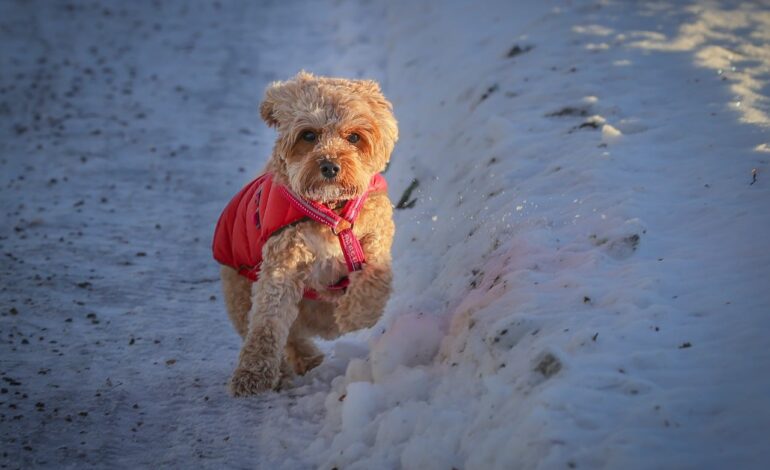
A cavapoo dog walks into a home and quickly becomes its shadow. This small, curly-coated cross between a Cavalier King Charles Spaniel and a Poodle is affectionate, clever, and happy in homes from small apartments to houses with yards.
So what is a cavapoo dog, exactly? A cavapoo is a Cavalier King Charles Spaniel crossed with a Toy or Miniature Poodle. Most adults weigh 8 to 25 pounds and stand 9 to 14 inches tall, and they usually live 12 to 15 years. They shed little, but they need regular brushing and a professional groom every six weeks.
What a Cavapoo Dog Really Is
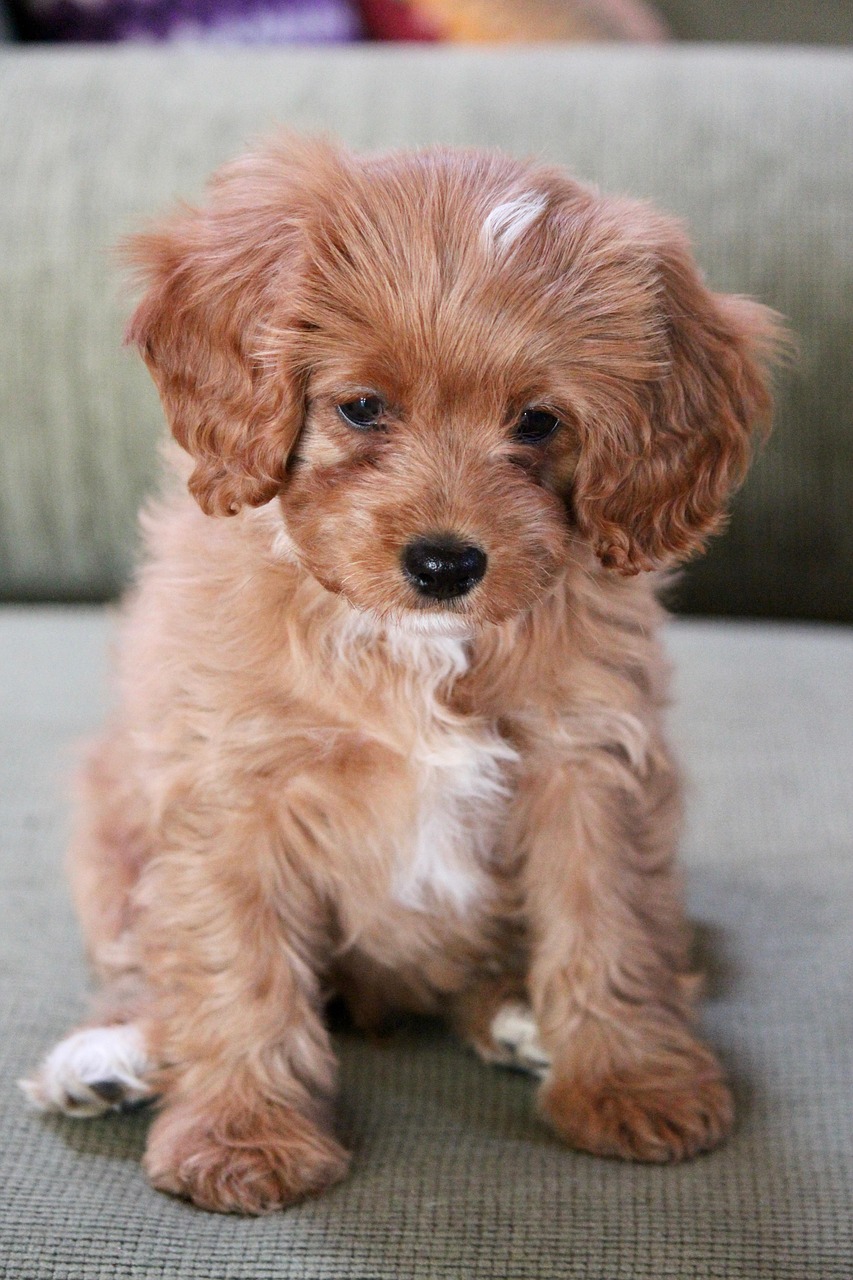
A cavapoo is not an official breed. The American Kennel Club does not register mixed breeds, so there is no official standard for this cross, also called a Cavoodle in Australia and New Zealand. It brings together two very different parents: the Cavalier, a gentle toy spaniel bred for companionship, and the Poodle, a clever dog with a low-shedding curly coat.
Because there is no fixed standard, no two of these dogs are exactly alike. Size, coat, and even temperament can vary inside one litter. A responsible breeder will talk about the parents, show health records, and explain what to expect, rather than promise a fixed size or a coat that never sheds. From the Cavalier side come warmth and patience; from the Poodle side come brains and a low-shedding coat.
Size, Weight, and Lifespan at a Glance
| Trait | Typical range |
|---|---|
| Adult weight | 8 to 25 pounds |
| Adult height | 9 to 14 inches at the shoulder |
| Lifespan | 12 to 15 years |
| Coat | Wavy to curly, low shedding |
| Energy level | Light to moderate |
| Grooming | Brush 3 times a week, groom every 6 weeks |
The wide range comes from the Poodle parent. A puppy from a Toy Poodle stays small, often under 12 pounds, while one from a Miniature Poodle grows larger. Ask the breeder how big the parents are, since they set the range the puppies will fall into.
Most reach full height by about 9 months. One that stays lean, eats well, and sees the vet regularly has a good chance of reaching the upper end of the 12 to 15 year range.
Coat Colors and Types
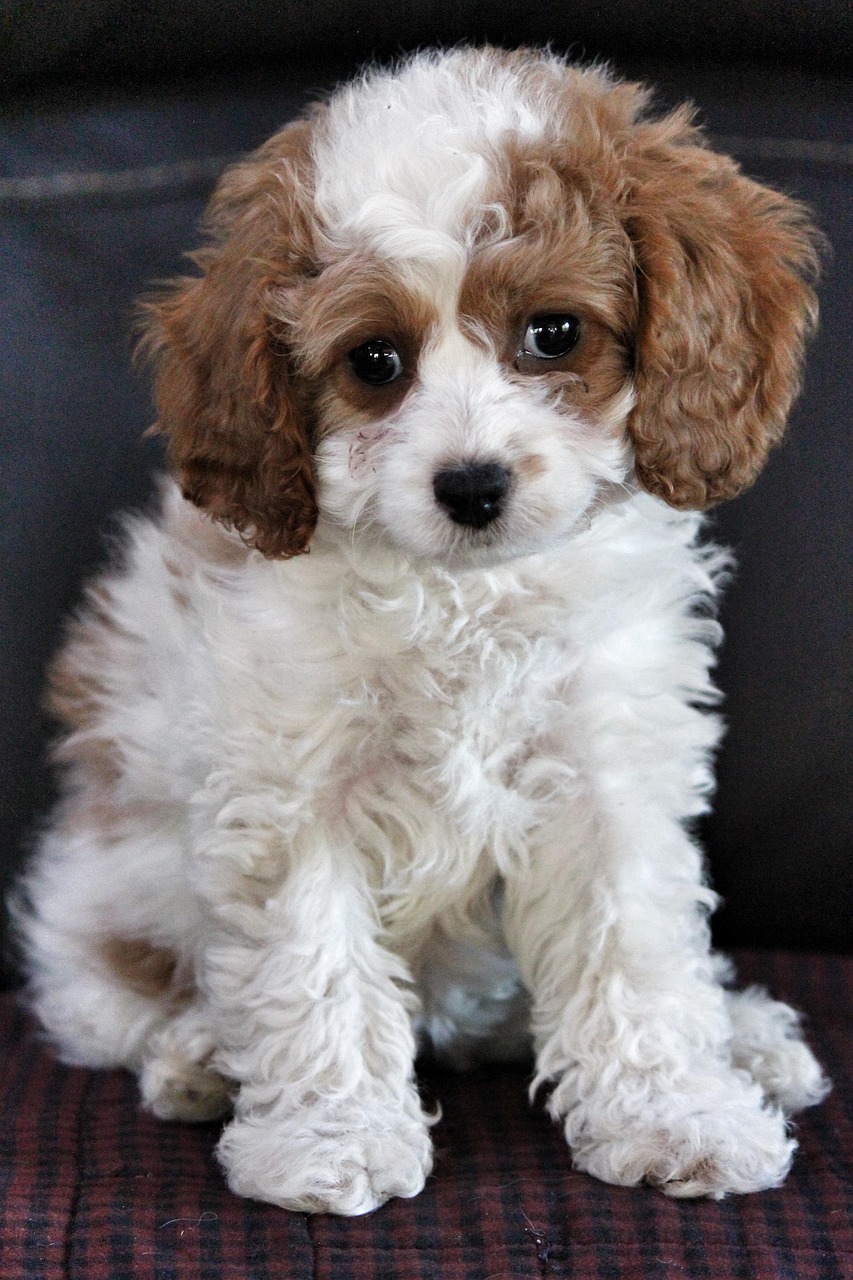
Coats come in three main types. A curly coat looks most like a Poodle, sheds the least, and mats the fastest. A wavy coat is the most common, shedding a little more but tangling less. A straighter coat takes after the Cavalier, sheds the most of the three, and still needs regular brushing.
Colors are just as varied. Apricot, cream, red, gold, black, white, and chestnut all appear, along with two-tone coats called parti or bicolor. Some carry the Cavalier’s Blenheim pattern, chestnut markings on white, or a tricolor mix of black, white, and tan. No color is healthier or better behaved than another, so choose the dog, not the shade.
One warning matters here. Some sellers charge more for rare colors or very small “teacup” puppies, but a tiny puppy is not a separate type, and breeding for extreme smallness raises the risk of health problems.
Cavapoo Temperament: A Dog That Follows You Everywhere
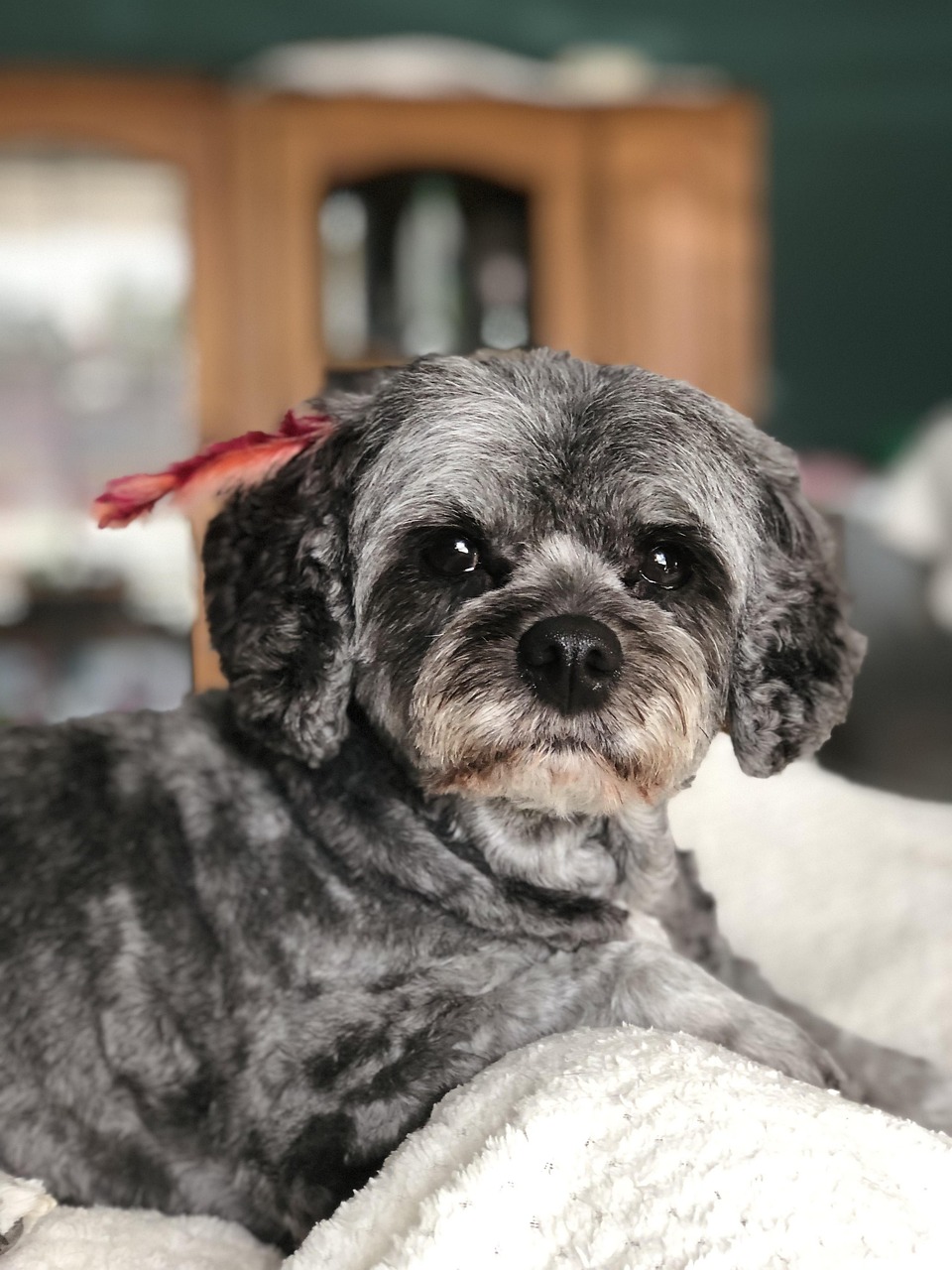
If you want a dog that loves people, this cross is hard to beat. These dogs are friendly, playful, and gentle. They greet visitors happily, settle beside children who play gently, and usually get along with other pets.
That people-loving nature has one real downside: separation anxiety. These dogs bond hard with their families and can grow upset when left alone, and barking, chewing, and pacing are common signs. The skill of resting alone must be built slowly, in short steps, while the dog stays calm. A home where everyone is gone for a full workday is a poor fit unless a walker or sitter covers the middle of the day.
They are also sensitive dogs, and they respond best to kind, reward-based training. Short, cheerful sessions with treats, play, and praise bring out the best in them.
Training That Actually Works
This cross learns fast. The Poodle parent gives it a sharp mind, and the Cavalier parent gives it a wish to please, so training is one of the easiest parts of owning one. Start the day the puppy comes home, and keep sessions to five or ten minutes, two or three times a day.
Teach the basics first: sit, stay, come, and leave it, rewarding the right behavior the moment it happens with a small treat or a happy word. Crate training gives the puppy a safe resting place and helps with alone-time practice. House training works best on a steady schedule, with a toilet trip after meals, play, and naps.
Socialization matters just as much as commands. In the first few months, let the puppy meet new people, hear household sounds, and see other friendly dogs. A well-socialized puppy grows into a confident adult. For a full step-by-step plan, our guide on how to train a dog covers the same reward-based methods in detail.
Once the basics are solid, these dogs shine at tricks. Weaving between your legs and jumping through a hoop are games they enjoy, because the games keep them close to you. Food puzzles and sniffing games also help, since they give a bright dog a job to do when you are busy.
Exercise Needs

This dog needs light to moderate exercise, about 30 to 60 minutes a day. Two walks and a play session usually cover it, and after that, most are happy to curl up beside you.
Do not expect a running partner. This cross is not built for long runs or hot-weather exercise. Puppies need even less: about five minutes of walking per month of age, twice a day, so a four-month-old walks about 20 minutes at a time.
Mental exercise counts too. A food puzzle, a lick mat, or a short scent game can tire this dog as surely as a walk, which matters on rainy days and in apartments.
Grooming and Shedding
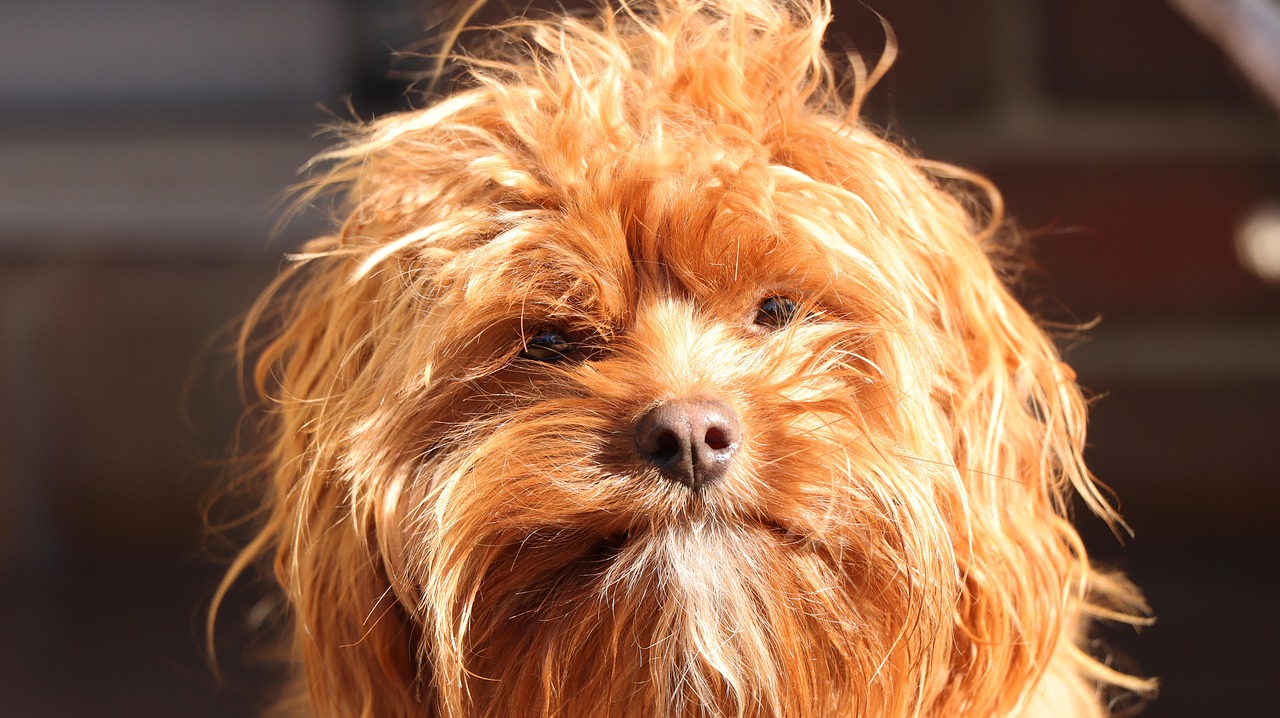
Many new owners underestimate this part. The coat sheds little, but without regular care, the soft curls tangle into tight mats that pull the skin and hurt.
Brush about three times a week, working down to the skin with a slicker brush for curly coats or a pin brush for straighter hair. Check the spots where mats form first: behind the ears, under the legs, and around the collar. Book a professional groom every six weeks for about $60 to $100 per session, and trim the nails every four to six weeks.
Ears and teeth need attention as well. Floppy, hairy ears trap moisture, so clean them when you groom and watch for odor, redness, or head shaking. Small dogs are prone to dental disease, so brush the teeth regularly and ask your vet about professional cleaning.
One claim needs a clear answer: no dog is truly hypoallergenic, this cross included. Some shed very little, which helps some allergy sufferers, while others shed more. If allergies matter in your home, spend time with the puppy before you commit.
What to Feed Your Cavapoo Dog
Feed a complete and balanced food made for the dog’s life stage, puppy, adult, or senior, that meets AAFCO guidelines, with real meat listed first. Puppies need three to four small meals a day on a steady schedule, which keeps their blood sugar stable. Adults do well on two meals a day.
Measure every meal. A few extra treats a day can add real weight to a small dog, and treats should never make up more than 10 percent of the daily diet. A lean dog stays healthier, with less strain on its heart and joints.
Some of these dogs have food sensitivities. Watch for itchy skin, ear infections, or stomach upset after meals, and tell your vet if a pattern appears. Never switch foods suddenly or add supplements without asking your vet first. Our list of the best dog food brands in the USA compares formulas by life stage, budget, and need.
Health Problems to Watch For
These dogs are generally healthy, but they can inherit problems from both parent breeds. Knowing the risks helps you choose a breeder and catch trouble early. The notes below are general information, not veterinary advice; PetMD’s Cavapoo breed guide covers the same conditions in more detail, and your own vet should guide every health decision.
Mitral valve disease is the most serious risk. It is an inherited heart condition and a leading cause of death in Cavalier King Charles Spaniels, and Poodles also carry a higher risk. A responsible breeder tests the parents’ hearts and will not breed a dog with a murmur, so ask for that proof before you pay.
Other conditions include hip dysplasia, where the hip joint does not develop properly, and patellar luxation, where the kneecap slips out of place. Both can cause limping and, over time, arthritis. Eye problems also run in both parent breeds, including progressive retinal atrophy, cataracts, and dry eye. Some inherit syringomyelia, a painful condition in which fluid-filled cavities form in the spinal cord, and signs include neck scratching, a wobbly walk, and sudden sensitivity to touch.
Dental disease is common in small dogs and can lead to infections, tooth loss, and even organ damage if ignored. Allergies show up as itchy skin, ear infections, and stomach trouble, and floppy ears make ear infections more likely.
Before you buy, ask the breeder for the parents’ health clearances: cardiac, eye, patella, and hip results. A breeder who cannot show them is one to walk away from. After you bring the puppy home, keep up with vaccinations, flea and heartworm prevention, and yearly checkups. Learn the signs that need urgent care, such as struggling to breathe, collapse, or sudden severe pain, and read our emergency vet guide.
How Much Does a Cavapoo Dog Cost in the USA?
| Cost | Typical range in 2026 |
|---|---|
| Puppy from a reputable breeder | $1,500 to $4,000 |
| Puppy from a health-tested program | $2,500 to $4,000 |
| Adoption fee from a rescue | $200 to $700 |
| First-year costs (vet, food, grooming, supplies) | $1,500 to $2,500 |
| Professional grooming per session | $60 to $100 |
| Yearly care after year one | $1,350 to $2,800 |
The purchase price is only the start. Prices under $1,200 should raise a red flag: very cheap puppies often come from puppy mills or scams, with no health testing and no support. A breeder who health-tests both parents, raises puppies inside the home, and offers a written health guarantee charges more because the work costs more.
Rescue is a real option too, with Cavapoo and doodle rescues usually charging a $200 to $700 adoption fee. An adult rescue lets you see the coat, size, and temperament before you commit, which a puppy never can.
Budget for the long term as well. Grooming every six weeks adds up to $400 to $700 a year, and with food, routine vet care, and insurance, the yearly cost after year one usually lands between $1,350 and $2,800.
Cavapoo Dog vs Cockapoo vs Maltipoo
| Trait | Cavapoo | Cockapoo | Maltipoo |
|---|---|---|---|
| Parents | Cavalier King Charles Spaniel × Poodle | Cocker Spaniel × Poodle | Maltese × Poodle |
| Typical adult weight | 8 to 25 pounds | 15 to 22 pounds | 5 to 20 pounds |
| Typical adult height | 9 to 14 inches | 10 to 18 inches | 8 to 14 inches |
| Lifespan | 12 to 15 years | 12 to 15 years | 12 to 15 years |
| Temperament | Gentle, people-focused, calm | Cheerful, outgoing, sturdy | Affectionate, playful, lively |
| Grooming | Brush 3 times a week, groom every 6 weeks | Similar coat care, groom about every 6 weeks | Brush often, groom every 6 to 8 weeks |
This cross is the calmest of the three and the best fit for a quiet home or a first-time owner. The cockapoo is sturdier and more outgoing, with a spaniel’s love of activity. The maltipoo is the smallest and often the liveliest. All three shed little, need steady grooming, and can develop separation anxiety, so the choice comes down to size, energy, and the feel of the dog in your home.
Is This the Right Dog for Your Home?
This cross fits best in a home where someone is around most of the day. Apartments suit these dogs well, since they are small, quiet by nature, and content with walks and play. Families with gentle children do well too, and older adults often love them.
Think carefully if you work long hours away from home or want a dog that can be left alone all day. This dog will not thrive in that life, so plan for a sitter, a walker, or a good boarding kennel. Our dog boarding guide explains kennel types and costs, so you can choose care that fits this sensitive little dog.
Also be honest about grooming. If brushing three times a week and a groom every six weeks sounds like too much, a low-shedding coat is not worth the trade, and a short-coated breed would suit you better. If anyone in the home has allergies, meet the puppy first. A breeder who refuses a visit is one to avoid.
Frequently Asked Questions
Are they hypoallergenic?
No dog is truly hypoallergenic, and this cross is no exception. Many shed very little, which can help people with mild allergies, but they still produce allergens in skin and saliva.
How big does a cavapoo dog get?
Most adults weigh 8 to 25 pounds and stand 9 to 14 inches tall. Puppies from a Toy Poodle parent stay smaller, while those from a Miniature Poodle grow larger.
Do they bark a lot?
They are not heavy barkers by nature. They may bark at the door, when excited, or when left alone too long. Steady training, enough exercise, and gradual alone-time practice keep barking low.
How long do they live?
A healthy dog of this cross usually lives 12 to 15 years.
Are they good with children?
Yes, they are usually gentle and patient with children who play gently. Teach children to support the whole body when lifting the dog, and never let them carry or chase it roughly.
How much does a cavapoo dog cost?
In 2026, a puppy from a reputable US breeder usually costs $1,500 to $4,000, with health-tested programs charging $2,500 to $4,000. Rescue adoption usually costs $200 to $700.
Can they be left alone during the workday?
They can learn to rest alone for a few hours, but a full workday alone is too much for most of them. Build alone time slowly, and arrange a midday walker or sitter when you are out all day.
This small dog has a big heart. It asks for daily brushing, patient training, and a lot of your company, and in return it gives steady affection for 12 to 15 years. If your home has the time, the budget, and the patience for that trade, a cavapoo can be a wonderful companion. Choose the breeder with the same care you would choose the puppy.