German Shepherd Puppies: Costs, Training, and Care Guide
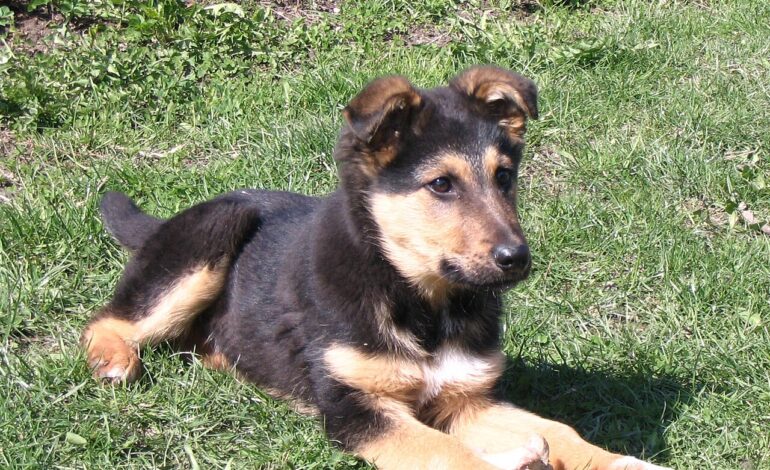
A German Shepherd puppy walks into your home as a small bundle of fur with oversized paws and ears that flop in every direction, and within a year that same puppy is a large, powerful dog watching your front door. Few breeds change this fast, and few ask this much of their owners. German Shepherd puppies are smart, loyal, and full of energy, but they need early training, steady socialization, and a lot of daily activity to grow into the calm, confident adults people picture when they think of the breed.
This guide covers what they really cost in the United States, what to expect in the first year, how to feed, train, and socialize them, and the health problems worth watching for.
What German Shepherd Puppies Are Really Like
The American Kennel Club describes German Shepherds as confident, courageous, and smart, and places the breed in its Herding Group. Developed in Germany as a herding and working dog, that history still shows in every puppy. They learn fast, bond hard with their people, and notice everything around them.
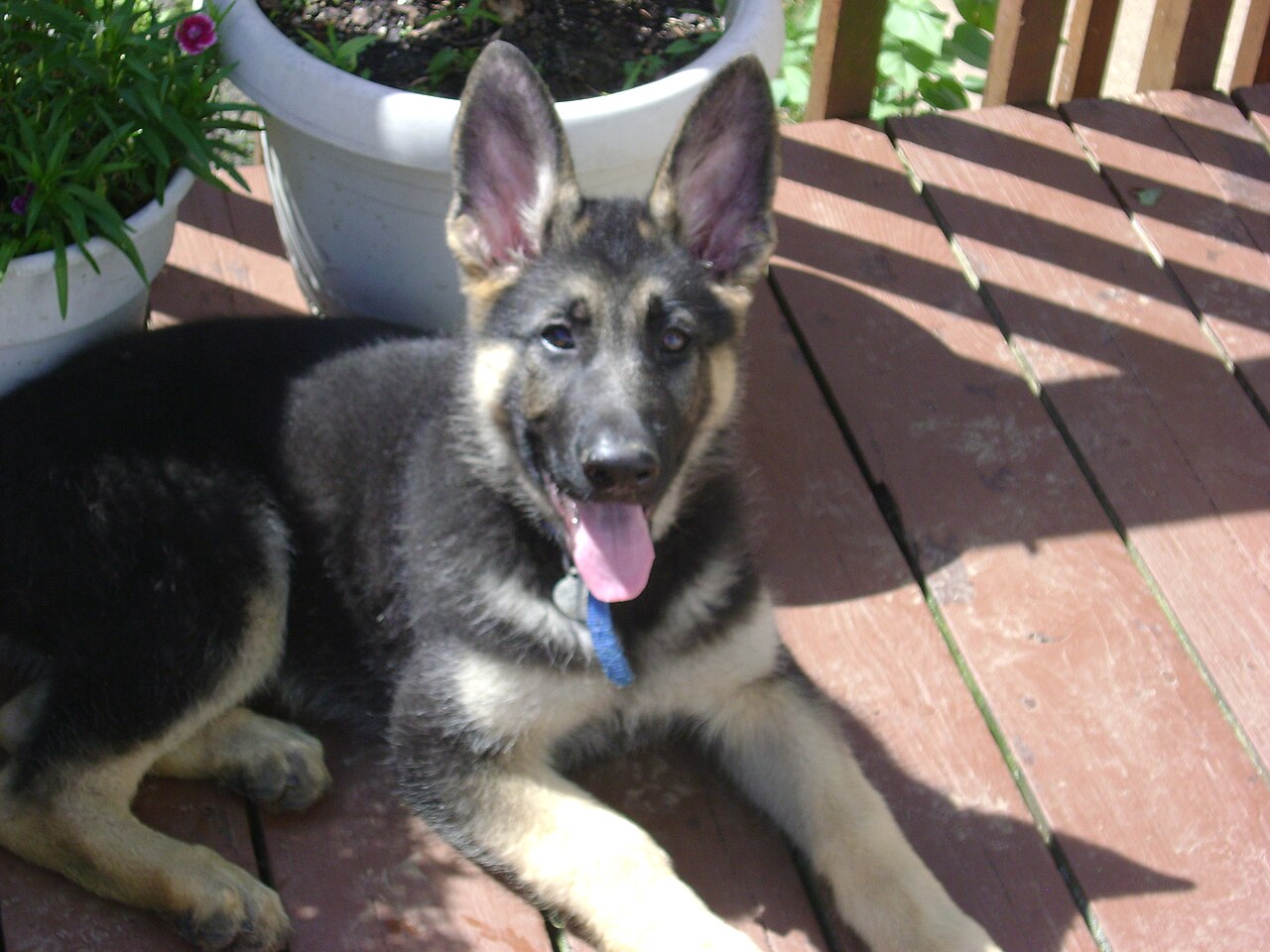
An adult male usually stands 24 to 26 inches at the shoulder and weighs 65 to 90 pounds, while an adult female stands 22 to 24 inches and weighs 50 to 70 pounds. Your puppy will reach much of that size in the first year, so the cute eight-week-old puppy in your arms is a large dog in the making, not a small dog that stays small.
With their own family, these puppies are affectionate and playful. With strangers, they tend to be watchful and reserved rather than instantly friendly, which is why early socialization matters so much. A well-socialized puppy grows into a confident, steady dog, while one kept away from new people and places can grow nervous or reactive.
How Much German Shepherd Puppies Cost in the USA
The price varies widely, and the range tells you something important about where the puppy comes from. A puppy from a reputable breeder in the United States commonly costs $1,500 to $3,500. Pet-quality puppies from health-tested parents often sit at the lower end of that range, while show-line or working-line puppies with titled parents commonly cost $2,500 to $5,000 or more. Adoption is far cheaper: shelters and breed-specific rescues usually charge $50 to $600, and that fee often includes vaccinations, a microchip, and spaying or neutering.
What you pay for from a good breeder is not only the puppy. Responsible breeders health-test the parents, including hip and elbow screening, and they raise the litter with early handling and socialization before the puppies go home. Ask to see the parents’ health clearances and look them up in the Orthopedic Foundation for Animals database before you pay a deposit. A price far below the usual range, a seller who will not let you meet the mother, or pressure to pay by an untraceable method are all reasons to walk away.
The purchase price is only the start. Food, a crate, vet visits, and training add up quickly in the first year.
Male vs Female German Shepherd Puppies
There is no better sex for every home, only small differences worth knowing.
| Male | Female | |
|---|---|---|
| Adult size | Larger, 65 to 90 pounds | Smaller, 50 to 70 pounds |
| Temperament | Often more playful and goofy, can be more territorial | Often a little more independent and watchful |
| Training | Can be slower to mature, needs patient consistency | Often focuses a little earlier, still needs the same training |
These are tendencies, not rules. The individual puppy’s temperament, the breeder’s socialization, and your training matter far more than sex. Meet the litter if you can, watch how each puppy behaves, and choose the puppy whose energy fits your household rather than choosing on sex alone.
Bringing Your German Shepherd Puppy Home
Most puppies go to their new homes at about eight weeks old. The first week sets the pattern for everything that follows, so it is worth preparing before the puppy arrives.
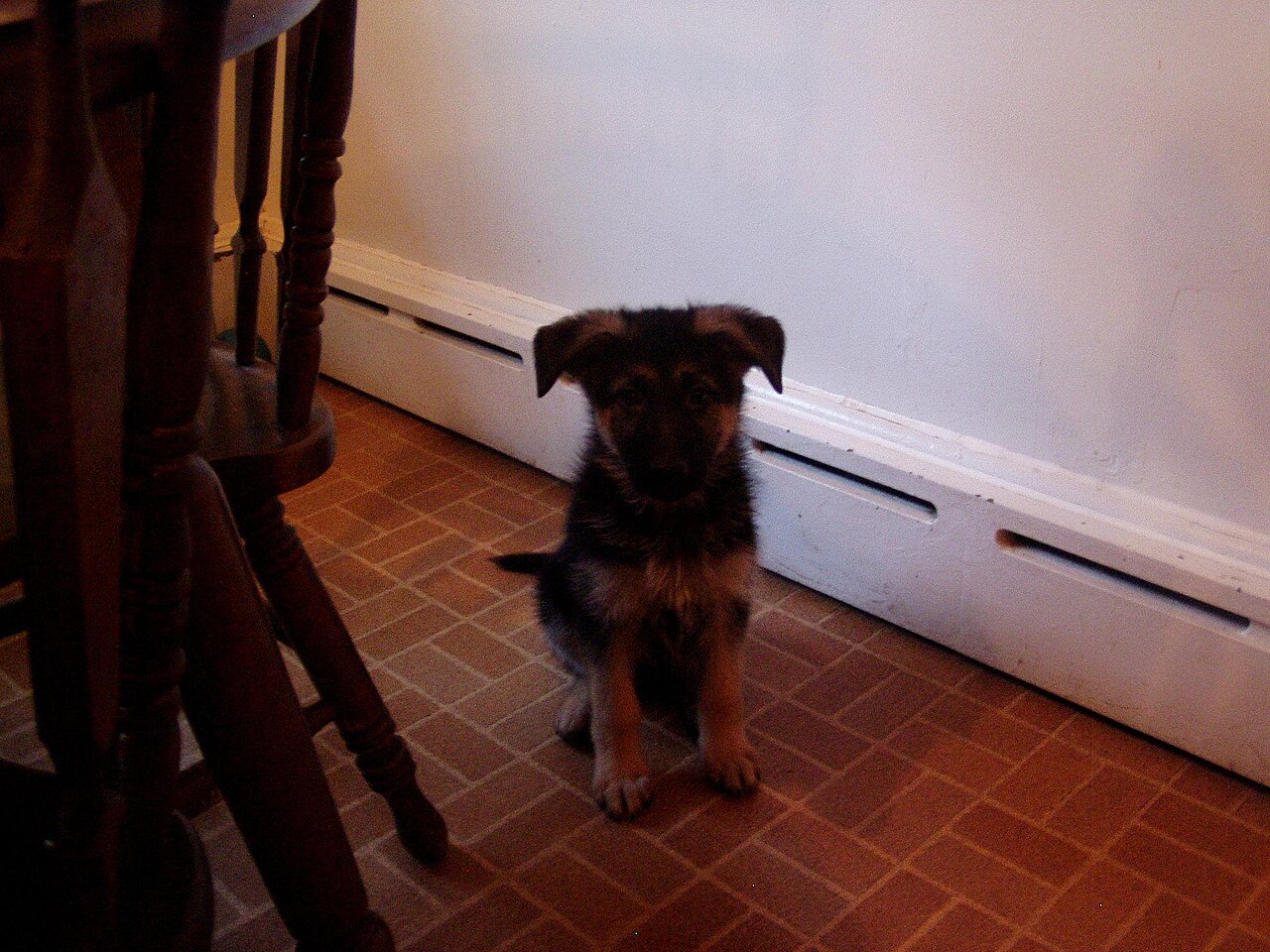
Puppy-proof the house first. Move electrical cords out of reach, remove toxic plants, lock away cleaning products, and put shoes and anything chewable where a curious puppy cannot reach them. Set up a crate in a quiet corner, with a comfortable bed inside and the door left open so the puppy can explore it without feeling trapped.
Keep the first few days calm. Let the puppy meet the family one person at a time, show it where to sleep, where to eat, and where to go to the toilet, and keep to the same routine from day one. Puppies under twelve weeks old cannot hold their bladder for long, so plan toilet breaks every couple of hours, including once during the night.
Book a vet visit within the first few days. Your veterinarian will check the puppy over, confirm its vaccinations, set up the next ones, and talk about deworming and flea and tick prevention. Bring the breeder’s paperwork, including the vaccination record. If it is an emergency, our guide to emergency vets explains when to go and what to expect.
Feeding German Shepherd Puppies
These puppies grow fast, and their food needs to support steady growth rather than maximum speed. Feed a puppy food made for large breeds, because it is balanced for the slower, steadier growth that protects developing joints.
Young puppies usually eat three or four small meals a day, moving to two meals a day by about six months. Follow the feeding guide on the food bag as a starting point, then adjust with your veterinarian’s help, keeping an eye on your puppy’s body condition.
Fresh water should always be available. Treats are fine for training, but keep them small and count them as part of the day’s food, so your puppy does not put on extra weight. Rapid weight gain in a large-breed puppy puts extra strain on growing joints, and German Shepherds are already prone to joint problems. Never feed cooked bones, chocolate, grapes, raisins, onions, or xylitol, all of which are dangerous for dogs.
Training and Socializing German Shepherd Puppies
Training can start the day your puppy comes home. Puppies can learn simple things like their name, “sit,” and “come” from eight weeks old, and short, happy sessions work far better than long, strict ones. Keep each session to a few minutes, use small treats and praise, and end while your puppy is still enjoying it.
The socialization window is the most important part of raising a German Shepherd puppy. The first three months are a sensitive period when puppies learn what is normal and safe, so introduce your puppy to different people, children, friendly vaccinated dogs, car rides, and new sounds, always at the puppy’s pace and never by forcing it. A puppy that meets the world calmly in these early weeks is far more likely to become a confident adult.
Crate training and house training go together. Take your puppy out first thing in the morning, after meals, after play, and before bed, and praise it warmly when it goes outside. Accidents will happen, so clean them up calmly. Our step-by-step guide to potty training a puppy covers the routine in full.
Puppies also explore the world with their mouths. When your puppy mouths your hand, stop the game calmly, offer a toy instead, and praise gentle play.
By three to six months, add “down,” “stay,” and loose-lead walking. By six to twelve months, your puppy will test boundaries like any teenager, and consistency matters more than ever. Keep training through adolescence, and consider a class in obedience, nose work, or agility to give your puppy the mental work it craves.
Exercise and Mental Work for German Shepherd Puppies
These puppies have real energy, but their growing joints need protection. Short bursts of play, gentle walks, and training games suit a young puppy better than long runs, steep stairs, or repeated jumping. Spread several short sessions through the day rather than one long outing, and never force exercise on a tired puppy.
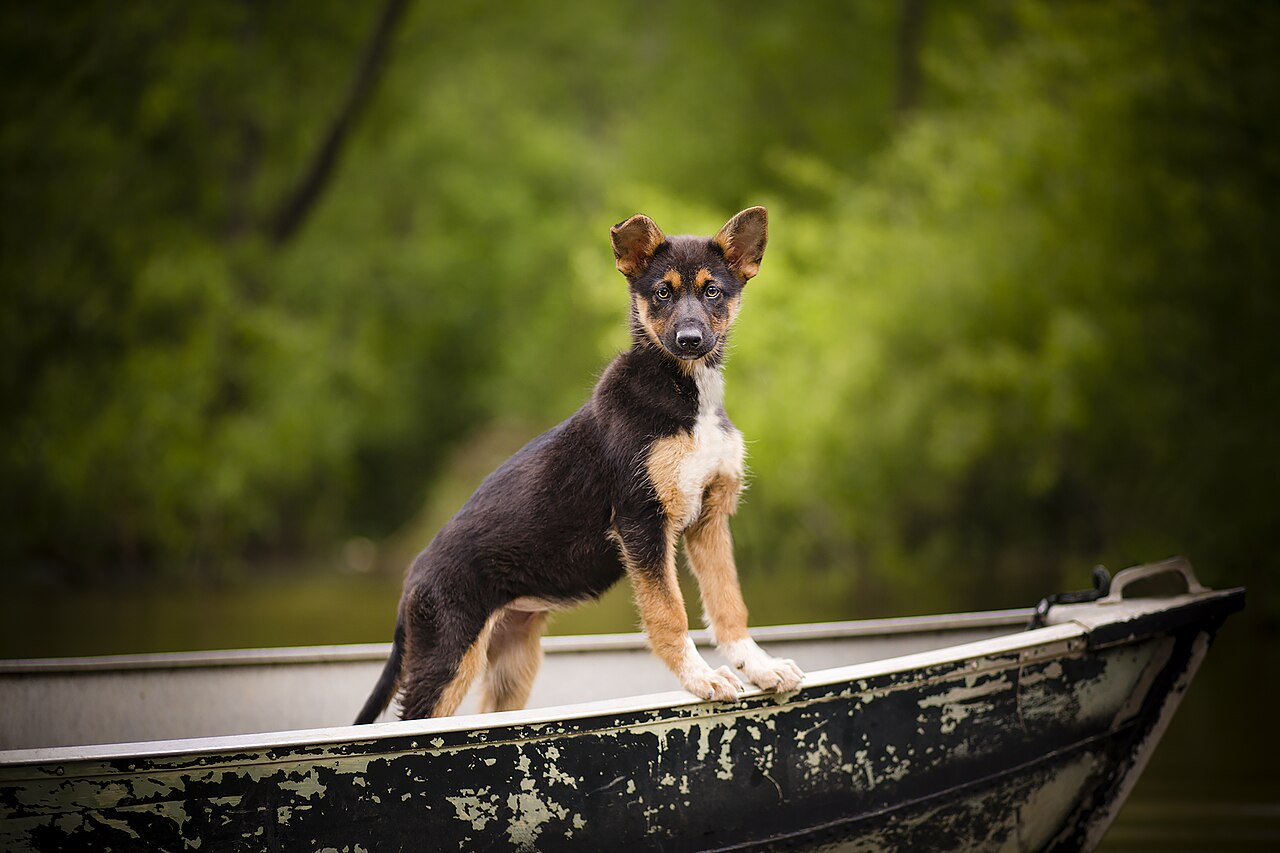
Mental exercise matters just as much. Puzzle feeders, scent games, and short training sessions tire a puppy out in the best way, and a bored puppy will find its own entertainment, usually by chewing furniture or digging.
A securely fenced yard helps, but it is not a substitute for walks and training. If you are thinking about how to keep a dog safely in your yard, see our guide to the invisible fence for dogs.
Grooming and Shedding
These puppies have a thick double coat and shed heavily all year, with a bigger shed in spring and autumn. Brushing two or three times a week keeps the coat healthy and cuts down on loose hair, and daily brushing helps during heavy shedding. Bathe your puppy only when it is dirty, trim the nails regularly, and get it used to handling while young.
Health Problems to Watch For in German Shepherd Puppies
German Shepherds are generally healthy dogs, but the breed has some known health risks, and knowing them early helps you catch problems sooner.
Hip and elbow dysplasia are the best-known concerns. These are problems with how the joints develop, and they can cause pain and stiffness as the dog grows. Choosing a puppy from health-tested parents lowers the risk, and keeping your puppy lean and avoiding hard, repetitive exercise while it grows helps protect the joints.
Bloat is a serious emergency in large, deep-chested dogs. It happens when the stomach fills with gas and twists, and it needs veterinary care immediately. Feeding smaller meals, keeping your puppy calm around mealtimes, and knowing the warning signs, such as a swollen belly, restlessness, and unproductive retching, can save your dog’s life.
Degenerative myelopathy is a progressive spinal condition that affects some older German Shepherds, causing weakness in the back legs. There is a DNA test for the gene linked to it, and responsible breeders test for it. Skin allergies, ear infections, and digestive sensitivity are also common in the breed.
This article is general information, not veterinary advice. Your veterinarian knows your puppy’s history and your local risks, and that is who should make the final call on food, vaccines, and any health concern.
German Shepherd Puppies and Families
These puppies can be wonderful family dogs, and they are often gentle and protective with the children they grow up with. The key is supervision and teaching. Children should learn to treat the puppy gently, to leave it alone while it eats and sleeps, and never to tease it. The puppy, in turn, needs to learn that children are friends, not playmates to chase and nip.
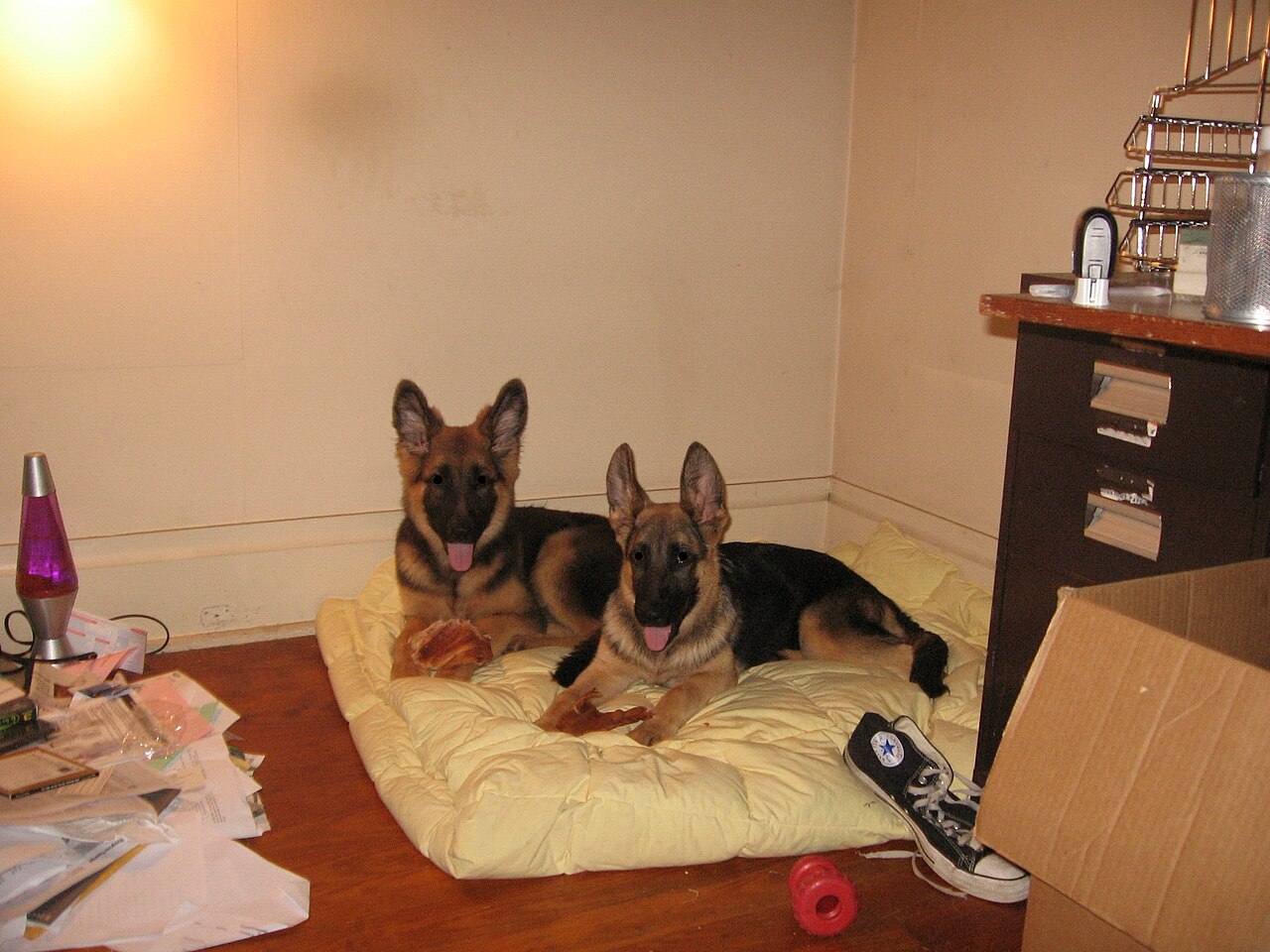
With other pets, early introductions help. A puppy raised with a cat or another dog usually learns to live with them happily, though its herding instinct may show up as chasing or circling. Supervise early meetings, reward calm behavior, and give each animal its own space to retreat to.
Buying or Adopting German Shepherd Puppies
If you decide to buy, look for a breeder who health-tests the parents, raises the puppies in the home, and asks you questions about your life before selling you a puppy. A good breeder will show you the health clearances, let you meet the mother, and stay in touch after you take the puppy home. The American Kennel Club’s Marketplace is one place to find breeders who follow its standards.
If you decide to adopt, contact a German Shepherd rescue or your local shelter. Rescues often have puppies as well as adults, and they can tell you about each dog’s temperament from foster care. Adoption costs far less, and you are giving a home to a dog that needs one. Either route can bring you a wonderful companion, as long as you choose carefully and go in with your eyes open.
Frequently Asked Questions About German Shepherd Puppies
How much do German Shepherd puppies cost?
A puppy from a reputable breeder commonly costs $1,500 to $3,500, while show-line or working-line puppies often cost $2,500 to $5,000 or more. Adoption usually costs $50 to $600. Prices vary by region and bloodline, so confirm the full cost before you decide.
When can I bring a German Shepherd puppy home?
Most puppies go home at about eight weeks old. Taking a puppy home earlier can cause problems with socialization and bite inhibition, because those early weeks with the mother and littermates teach the puppy important lessons. If a breeder offers a puppy younger than eight weeks, treat it as a warning sign.
Are German Shepherd puppies good with children?
Yes, when they are raised with children and both are taught to treat each other gently. They are usually loyal and protective with the children in their own family. Always supervise young children with any puppy, and teach children to leave the puppy alone while it eats and sleeps.
How much exercise does a German Shepherd puppy need?
Young puppies need several short play and training sessions a day rather than long runs. Protect growing joints by avoiding forced running, steep stairs, and repeated jumping in the first year. As the puppy grows, build up exercise gradually, and add mental work like training games and puzzle toys.
Do German Shepherd puppies shed a lot?
Yes. They have a thick double coat and shed heavily all year, with a bigger shed in spring and autumn. Brushing two or three times a week, daily during heavy shedding, keeps the coat healthy and reduces loose hair in the house.
How long do German Shepherd puppies take to grow up?
They grow quickly and reach much of their adult size in the first year, but they keep filling out and maturing until they are about two years old. Mentally, they stay puppy-like and playful well into their second year, so training and patience need to continue through adolescence.
What health problems should I watch for?
The main ones are hip and elbow dysplasia, bloat, and degenerative myelopathy, along with skin allergies and digestive sensitivity. Choose a puppy from health-tested parents, keep your puppy lean, feed a large-breed puppy food, and see your veterinarian promptly if you notice limping, a swollen belly, or weakness in the back legs.
The Bottom Line on German Shepherd Puppies
These puppies are not an easy first dog, but for the right owner they are one of the most rewarding. They are smart, loyal, and eager to work with you, and they grow into confident, steady adults when they get early training, careful socialization, and enough exercise and mental work.
Before you bring one home, be honest about the cost, the shedding, the training time, and the years of commitment ahead. Choose carefully, from health-tested parents or a trusted rescue, and start training and socializing from the first day.