Dog Boarding: Costs, Kennel Types, and Choosing the Best Fit

A trip is booked, the bags are almost packed, and one question is still open: where will your dog stay? Dog boarding answers that question. It means your dog sleeps somewhere else overnight — at a boarding kennel, a pet hotel, a veterinary clinic, or a sitter’s home — with meals, bathroom breaks, exercise, and supervision included until you return.
Most dog boarding in the United States costs $25 to $85 per night for a standard stay. The price depends on where you live, the type of boarding you choose, and what is included. This guide explains what it covers, what it costs, the four main types, and how to pick a safe, comfortable place for your dog.
What Dog Boarding Means for Your Dog
Dog boarding is overnight care away from home. Your dog stays at a facility or a sitter’s house, looked after around the clock by trained staff or a dedicated sitter. A good boarding stay covers the basics your dog needs every day.
Your dog gets a comfortable place to sleep, meals on their usual schedule with the food you provide, regular bathroom breaks, and fresh water. They also get exercise and play, rest time between activities, and supervision to keep them safe. Most sitters and facilities also send photo or message updates while you are away. If your dog takes medication, many providers can give it if you arrange it in advance and bring it in its original packaging with clear written instructions.
How Much Dog Boarding Costs in the USA
There is no single national price for boarding, because rates change with location, the type of stay, and the size of your dog. The ranges below come from pricing published by Rover, which is based on actual bookings, and from boarding industry sources.
| Type of boarding | Typical cost per night | What the price usually covers |
|---|---|---|
| Traditional kennel | $25 to $55 | Private run, meals, potty breaks, play |
| In-home boarding with a sitter | $25 to $65 | Home setting, one-on-one attention |
| Luxury pet hotel | $65 to $120 or more | Private suite, playtime, webcams, premium bedding |
| Boarding at a vet clinic | $25 to $55 | Basic care, vet staff nearby |
Rover puts typical boarding at $40 to $50 a night, with a week costing $150 to $480 and a month $750 to $2,400. The boarding industry’s trade group puts the average near $35 a night. In major metros such as San Francisco and New York, a standard night can cost $60 to $75 or more, while a small-town kennel may charge $20 to $30.
Ask what the nightly rate includes before you book. Some places charge extra for medication, additional walks, or a bath before pickup. Many facilities also add a surcharge on holidays and require a multi-night minimum stay during peak weeks such as Thanksgiving and Christmas. Ask for a written quote listing every fee.

Four Types of Dog Boarding
Not all boarding looks the same. Each type suits a different kind of dog, so the right choice starts with your dog’s temperament, health, and routine.
Traditional Boarding Kennels
A traditional kennel is a dedicated facility with individual runs or crates, scheduled feeding times, and staff on site. Play sessions are usually matched by size, age, and energy level. Kennels suit confident, social dogs that enjoy structure and new company.
In-Home Boarding With a Sitter
In-home boarding means your dog stays at a sitter’s house, often with just one or two other dogs. The setting is quieter, the routine follows your dog’s own schedule, and the attention is one-on-one — a good fit for anxious dogs, older dogs, and dogs that struggle with noise and crowds. When you book through a platform such as Rover, the stay is covered by the Rover Guarantee, which includes up to $25,000 in reimbursement for eligible vet care and 24/7 emergency support.
Luxury Pet Hotels
A luxury pet hotel offers private suites, extra one-on-one playtime, webcams so you can check in, and extras such as premium bedding and grooming. It suits owners who want maximum comfort and updates, and dogs that do well with plenty of attention.

Boarding at Your Vet Clinic
Some veterinary clinics board dogs overnight, and vet staff and technicians are right there if something goes wrong. The American Kennel Club notes that older dogs and dogs with serious health problems that need medication may do better boarding at a vet clinic.
Dog Boarding or a Pet Sitter at Home?
Boarding is not the only way to cover a trip. A pet sitter who stays in your home, or visits several times a day, keeps your dog in familiar surroundings. Which option fits better depends on your dog.
| Dog boarding | Pet sitter at home | |
|---|---|---|
| Where your dog sleeps | A kennel, suite, or sitter’s home | Their own bed, in your house |
| Daily routine | The facility’s schedule | Your dog’s normal routine |
| Company | Staff and other dogs | One sitter, no strange dogs |
| Supervision | Staff on site, often overnight | Depends on the sitter’s hours |
| Best for | Social, confident dogs | Anxious dogs, multi-pet homes |
| Typical cost | $25 to $85 per night | Often $50 to $100 or more per night |
A sitter at home usually costs more, because you are paying for one person’s full attention. It is the better choice for dogs with separation anxiety, for homes with several pets, and for dogs that do not settle in new places. The American Kennel Club points out that some dogs get homesick the way children do at camp. Boarding fits better when your dog loves company and settles quickly into new routines. If you are unsure, a short trial stay will tell you more than any amount of guessing.
How to Choose a Dog Boarding Kennel
Start your search early, especially before holidays, when good kennels book up weeks ahead. Ask your veterinarian and friends for recommendations, then visit your shortlist in person. A tour tells you more than any website. A reputable kennel will let you see every area your dog will use, including where the dogs sleep, where they play, and where meals are prepared. If a facility refuses a full tour, walk away. The American Kennel Club gives the same advice: a well-run kennel has nothing to hide and will be glad to show you around.
While you tour, watch the dogs already staying there. Do they look relaxed, or are they pacing and barking nonstop? Check that sleeping areas are clean and dry, play areas are secure, and fresh water is available.
Ask these questions before you book:
- Is someone on site overnight, and what happens if my dog needs a vet in the night?
- How many dogs does each staff member look after at one time?
- What vaccinations do you require, and do you keep records on file?
- How do you handle a dog that will not eat, seems stressed, or gets sick?
- Can my dog have their own food, and how do you store it?
- Do you offer a trial stay before a longer booking?
- How and when will you update me, and can I call to check in?
The answers matter as much as the price. A cheap kennel that cannot answer these questions clearly is not a bargain.
What Your Dog Needs Before Dog Boarding
Most reputable kennels ask for proof of vaccination before they accept a dog. The American Kennel Club lists the records kennels commonly require: rabies, distemper, parvovirus, Bordetella, and canine influenza. Check early, because some vaccines need weeks to take full effect.
Book a vet check before a long trip, especially if your dog is older or has a health condition. Your vet can confirm the vaccinations are current and write down feeding and medication instructions. If your dog has a condition such as arthritis, tell the kennel in advance — a dog with arthritis may need more frequent breaks and joint supplements at mealtimes.
A trial stay is the single most useful step you can take. Many kennels offer one night as a test, and some require it. The trial shows how your dog handles the new place, the other dogs, and the separation from you. When you pick your dog up after a trial, look for good signs. The American Kennel Club lists them clearly: your dog comes home tired from healthy play, shows no signs of distress such as excessive panting or drooling, has no cuts or bruises, has clean paws, and is happy to see you rather than simply relieved. If your dog seems frightened or reluctant to go back, that facility is not the right fit.
Packing for Dog Boarding
Pack the way you would pack for a child going to camp: everything your dog needs, labeled with their name. The kennel should tell you what to bring, but a good packing list covers the essentials.
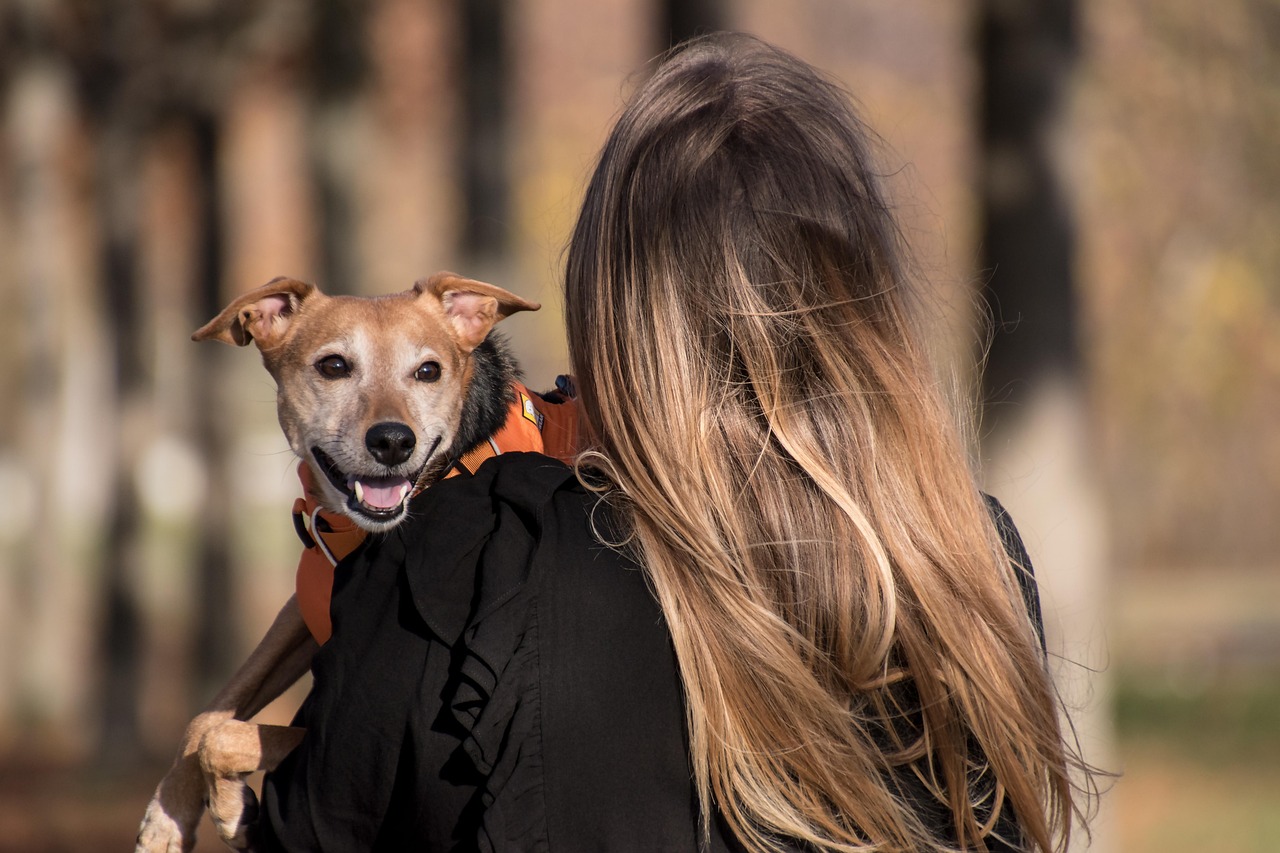
Bring enough of your dog’s regular food for the whole stay, plus a little extra. A sudden change of food is one of the quickest ways to upset a dog’s stomach, so keep their diet exactly the same. Add a favorite blanket or bed, a familiar toy, and a piece of clothing that smells like you. These familiar smells help a nervous dog settle in a strange place. Include medication in its original packaging with written instructions, your vet’s phone number, and an emergency contact who can make decisions if you cannot be reached. Write down your dog’s feeding times, walk routine, and quirks. The more the staff know, the better they can look after your dog.
Is Dog Boarding Stressful for Dogs?
Boarding can be stressful for some dogs, and it is honest to say so. Noise, confinement, a changed routine, and missing you can all add to a dog’s stress. Dogs with higher baseline anxiety and dogs that have never boarded before tend to have a harder time. Watch for signs that your dog is not coping well. Rover’s veterinary behaviorist notes that diarrhea, vomiting, not eating, or extra stress for a few days after coming home can all signal that the stay was too much. If your dog seems reluctant to go back the next time, the environment may not have been a good fit.

A trial stay helps, and so does keeping the routine familiar. Send your dog’s own food and bedding, keep drop-off calm and short, and do not make a long emotional farewell. If your dog has struggled with boarding before, house sitting may be a better fit.
Dog Boarding Red Flags to Walk Away From
Some warning signs should end the search on the spot: no tour of the facility, no interest in vaccination records, and no questions about your dog’s health or temperament. A good kennel wants to know about your dog before they accept them. Overcrowded runs, dirty sleeping areas, stressed dogs pacing or barking without a break, and staff who seem overwhelmed all point to a facility that takes more dogs than it can care for. Ask what happens if a dog gets sick or injured. If there is no clear answer, no vet on call, and no emergency plan, do not book. Trust your instincts as well. If the place smells bad, the staff will not look you in the eye, or your dog freezes at the door, keep looking.
Dog Boarding FAQs
How much does dog boarding cost per night in the USA?
Most boarding costs $25 to $85 per night. Rover puts the typical range at $40 to $50 a night, and the boarding industry’s trade group puts the average near $35. Luxury suites in big cities can cost $65 to $120 or more.
How far in advance should I book dog boarding?
Book at least two to three weeks ahead for a normal trip. For Thanksgiving, Christmas, and other peak holidays, good kennels often fill up a month or more in advance.
What vaccinations does my dog need for boarding?
Most kennels require proof of rabies, distemper, parvovirus, Bordetella, and canine influenza vaccinations. Requirements vary by state and by facility, so ask the kennel for its exact list and check with your vet well before the stay.
Can I board a puppy?
Many kennels accept puppies once they have had their core vaccinations, but rules and minimum ages vary, so ask the kennel for its exact policy. Puppies need more frequent potty breaks and more supervision, so ask whether the facility has a puppy routine. If you are still house training, our guide to potty training a puppy explains the steps that make the early weeks easier.
Is dog boarding safe for older dogs?
It can be, if the facility knows your dog’s needs. Older dogs may need softer bedding, more rest, and medication on a strict schedule. A vet clinic that boards dogs is often the safest choice for a senior dog.
What if my dog gets sick while boarding?
Ask about this before you book. A good facility will have a vet on call, a written emergency plan, and your permission to seek treatment if they cannot reach you.
Should I tip the boarding staff?
Tipping is not required, but it is a kind gesture if the staff gave your dog extra care. A small cash tip, a thank-you note, or a box of treats for the team is common in the USA, especially after a long stay.
A Good Dog Boarding Stay Starts Before You Leave
Dog boarding works well when the preparation is done right. Pick the type that fits your dog, visit the facility, check the vaccination rules, book a trial night, and pack the familiar things that help your dog feel at home. The right kennel is the one where your dog eats, plays, rests, and comes home happy.
If your dog ever needs urgent care, knowing where to go matters as much as where they stay. Our guide on when to see an emergency vet explains what counts as an emergency and what it costs. And if your dog is still learning the basics, our guide on how to train a dog sets out the first steps.
(This article gives general information about dog boarding in the United States. It is not veterinary or legal advice. Prices and rules vary by state and by facility, so check the current rules where you live and talk to your veterinarian about your own dog’s health.)