Dachshund Puppies: The Complete Price, Care & Training Guide
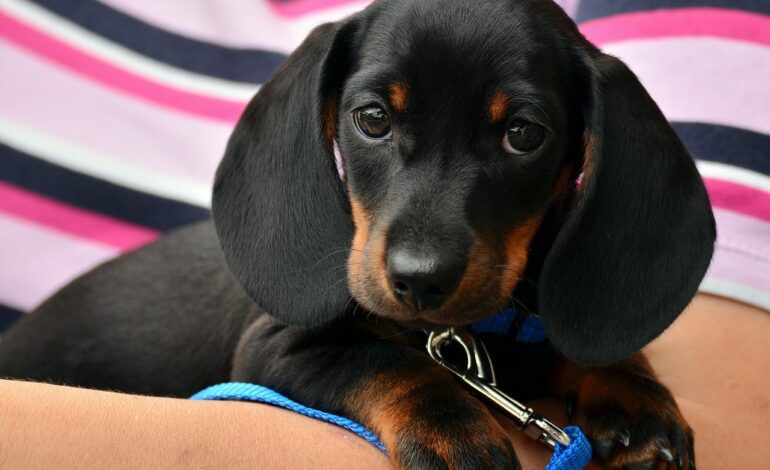
So what are dachshund puppies, exactly? They’re the young of the Dachshund breed, a small German hunting dog bred to chase badgers into their burrows. Adults weigh 11 to 32 pounds and stand 5 to 9 inches tall, and they usually live 12 to 16 years. Dachshund puppies are smart, playful, and stubborn, and they need patient training, daily exercise, and careful protection for their long backs. The American Kennel Club ranks the Dachshund No. 6 in the United States.
A dachshund puppy walks into your life on short little legs, with a long body, floppy ears, and a confidence that seems way too big for its size.
What a Dachshund Puppy Really Is
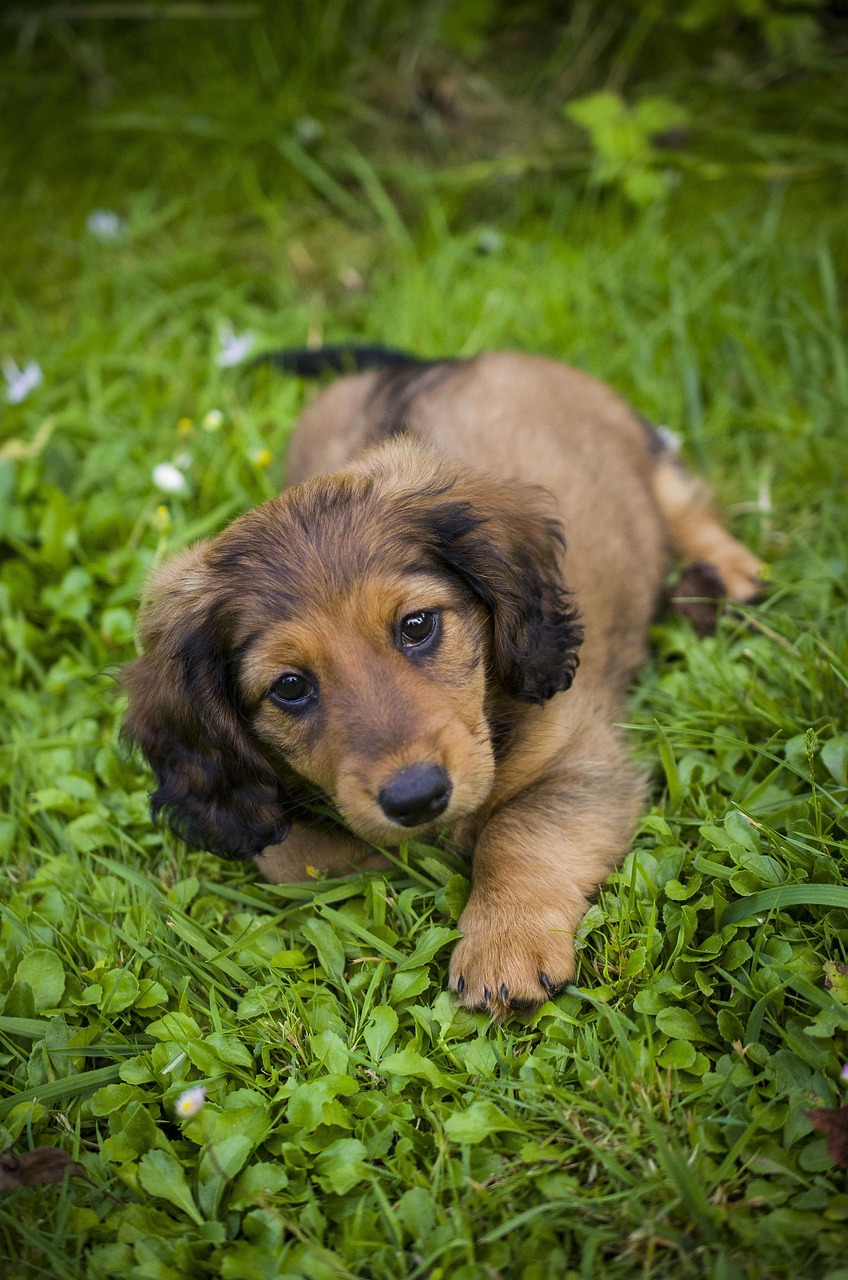
The name says it all. “Dachshund” comes from the German words “dachs,” meaning badger, and “hund,” meaning dog. These dogs were bred in 18th-century Germany to hunt badgers, animals that live in deep burrows and fight back hard. A dachshund had to be long and low enough to fit underground, brave enough to face a badger, and tough enough to dig its way out again.
That hunting past still shapes dachshund puppies today. They’re independent thinkers, because a dog working alone underground couldn’t wait for orders. They’re also fearless, loud, and obsessed with digging and sniffing. PetMD’s Dachshund breed guide notes that this brave streak can shade into carelessness, so owners need to watch a puppy that thinks it can take on the world.
The breed comes in two sizes and three coat types, and the American Kennel Club recognizes all six combinations.
Dachshund Puppy Size, Weight, and Lifespan at a Glance
| Trait | Typical range |
|---|---|
| Standard adult weight | 16 to 32 pounds |
| Miniature adult weight | Under 11 pounds |
| Standard adult height | 8 to 9 inches at the shoulder |
| Miniature adult height | 5 to 6 inches at the shoulder |
| Lifespan | 12 to 16 years |
| Coat types | Smooth, longhaired, wirehaired |
| Energy level | Moderate to high |
| Shedding | Moderate, year-round |
Most dachshund puppies reach close to their adult weight by 10 to 12 months, though minis fill out a little sooner. Both sizes share the same long back and the same need for back protection. Watch out for one label in particular: “teacup.” PetMD warns against breeders who advertise teacup dachshunds, because these dogs are bred to be as small as possible with little thought for their health.
Dachshund Puppy Coat Types and Colors
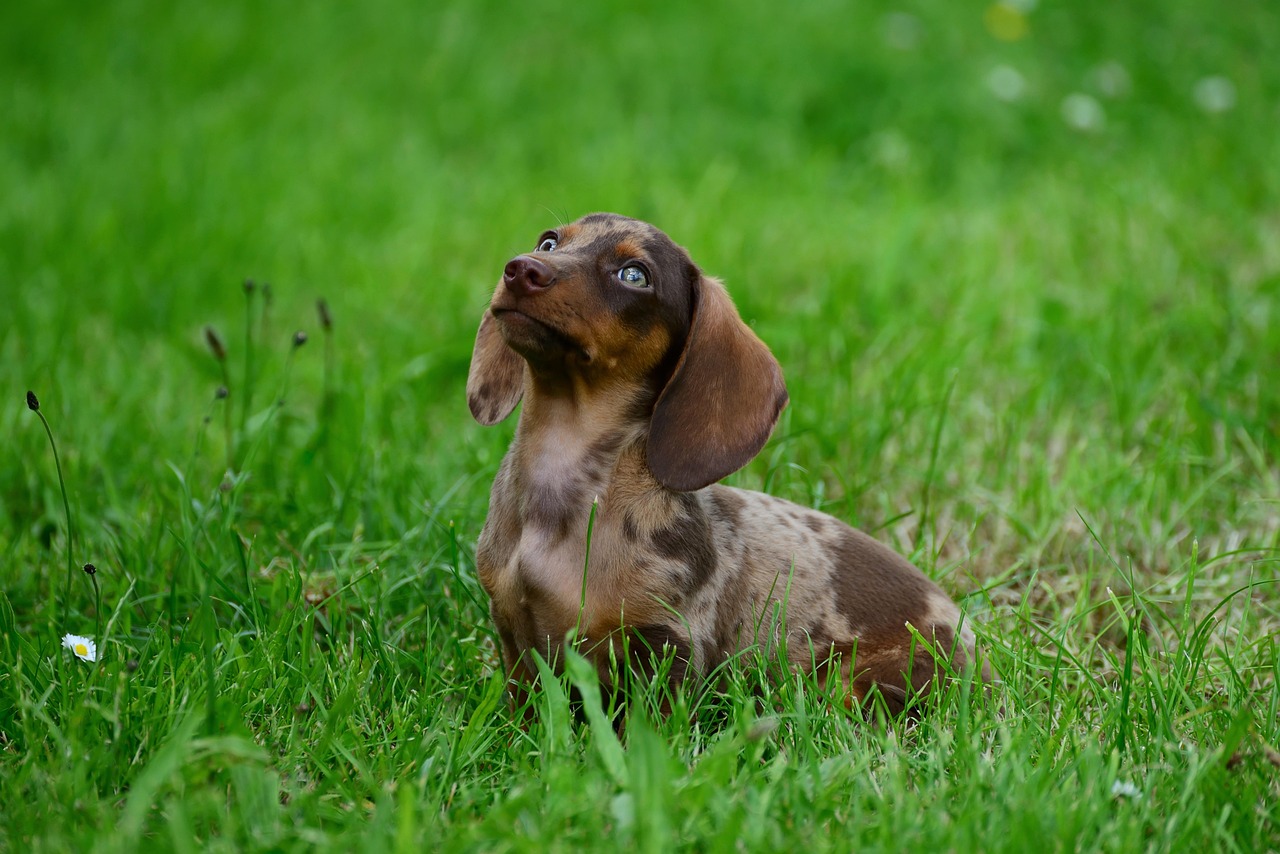
Dachshund puppies come in three coat types. Smooth-coated dachshunds have a short, shiny coat that’s the easiest of the three to care for. Longhaired dachshunds have a thicker, slightly wavy coat with longer hair on the neck, chest, and belly. Wirehaired dachshunds have a coarse outer coat with a softer undercoat.
Colors range from solid red and cream to black and tan, chocolate and tan, and dapple, a mottled pattern of lighter patches. Dapple carries a warning, though: puppies with two dapple parents can be born deaf, so a responsible breeder never breeds dapple to dapple.
Dachshund Puppy Temperament: Small Dog, Big Personality
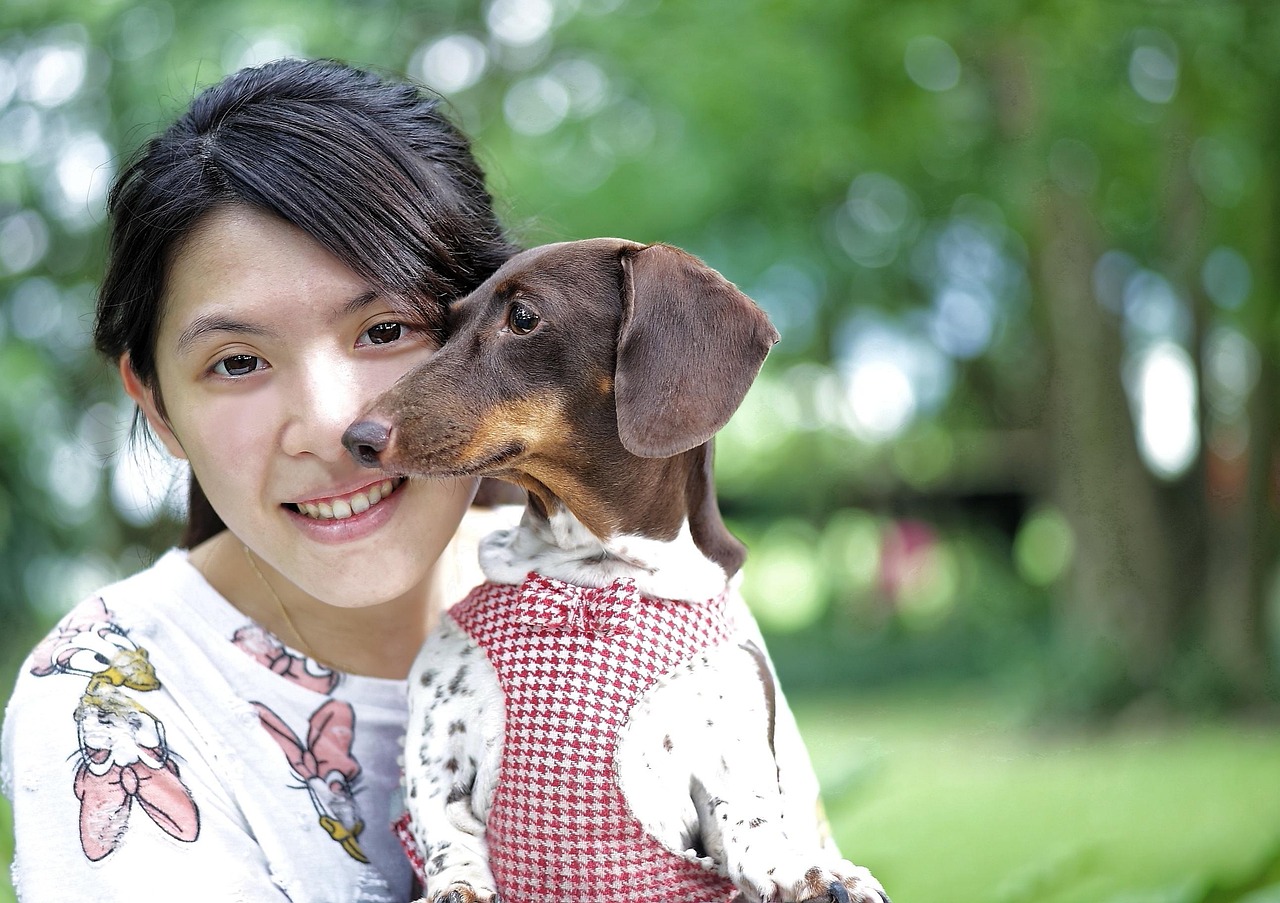
Dachshund puppies are playful, curious, and full of opinions. They love puzzle toys and scent games, and they bond hard with their people. They’re also smart problem-solvers, and a bored dachshund will dig in the yard or chew something it shouldn’t.
That said, this breed is not a pushover. Dachshunds are independent and willful, and a puppy that hasn’t been trained will happily train you instead. They bark a lot, at the doorbell, at squirrels, and at noises only they can hear. Training can manage it, but it won’t erase it.
With children, dachshunds do best with older kids who know how to handle a small dog gently. Playtime with young children needs supervision, both because a rough game can hurt the puppy’s back and because an excited puppy can nip. Teach kids to pick a dachshund up with one hand under the chest and one under the hindquarters, supporting the whole spine. Dachshunds also have a strong prey drive, so never leave one unsupervised with a small pet like a hamster or rabbit.
Training a Dachshund Puppy
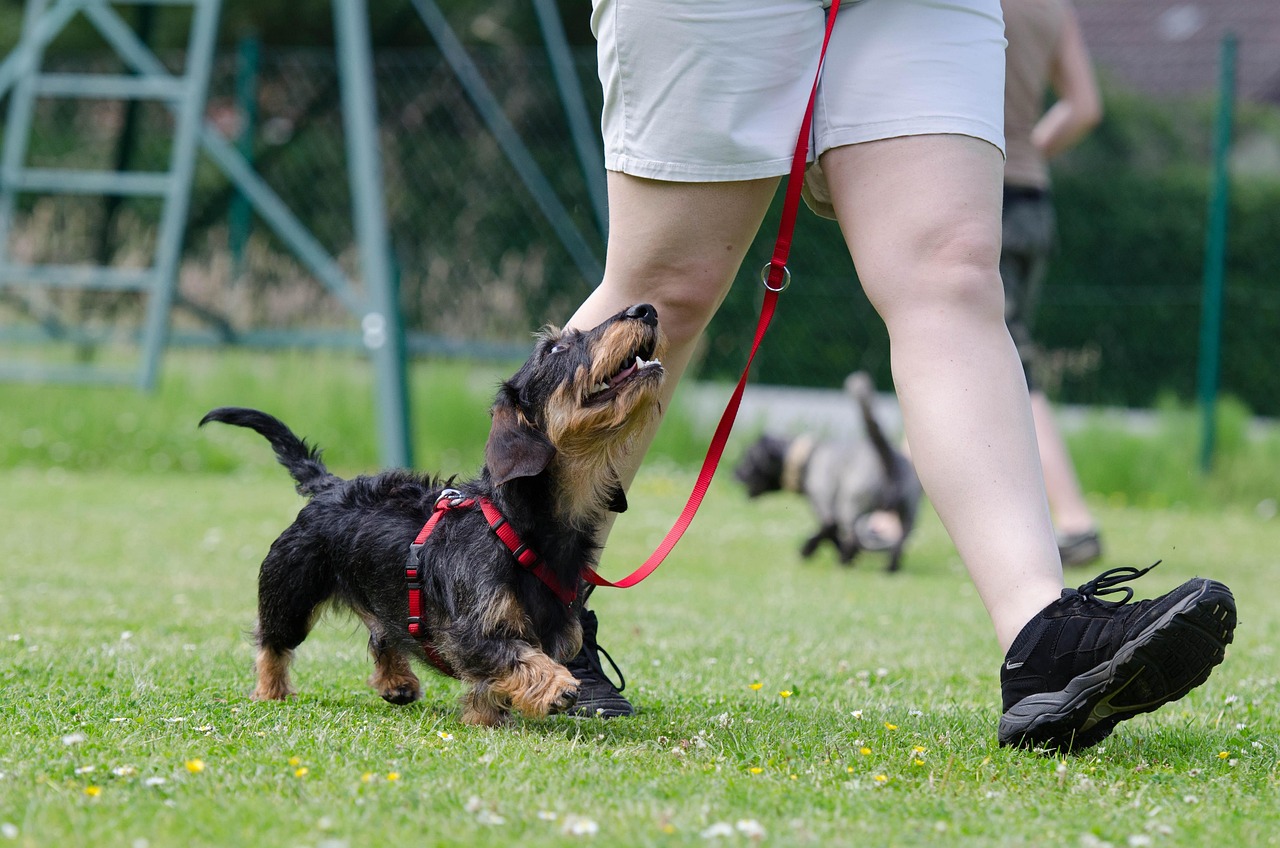
Dachshund puppies are smart, but they’re also stubborn, so training takes patience and a sense of humor. Positive reinforcement works best: reward the behavior you want the moment it happens, with praise, play, or a small treat.
Keep sessions short, five to ten minutes, two or three times a day, since a dachshund puppy loses focus fast when an interesting smell drifts past. Start with sit, stay, come, and leave it, and work on house training from day one. For a full step-by-step plan, our guide on how to train a dog covers the same reward-based methods in detail.
House training is the part most owners struggle with. Dachshunds can be slow to house-train, so stick to a strict schedule: outside first thing in the morning, after every meal, after naps, after play, and last thing at night. Praise every success outside, and never punish an accident indoors.
Socialize your puppy early and often. New people, household sounds, car rides, and friendly, vaccinated dogs all help build a confident adult instead of a nervous barker, and the window for easy socialization is short, roughly the first 16 weeks. For barking, teach a “quiet” command by rewarding silence, and give the puppy plenty of exercise and puzzle toys so it isn’t barking out of boredom.
Exercise and Back Safety: Protecting That Long Spine
Dachshund puppies need regular exercise to stay fit and build the muscles that support their long back, but the wrong kind of exercise can hurt them. Aim for multiple short walks a day plus playtime, adding up to roughly 30 to 45 minutes for a miniature and about an hour for a standard adult. Puppies need less: short, gentle play sessions while their joints are still growing.
The golden rule is to protect the back. Dachshunds are not built for repeated jumping, twisting, or rough play. Put ramps or pet stairs next to the bed and the couch so your puppy doesn’t have to leap up and down, and carry it down steep stairs until it’s grown.
Scent games are perfect for this breed. Hide treats around the house or let your puppy follow a scent trail in the yard. These games tire a dachshund out without stressing its spine, and they use the nose the breed was built around.
Grooming a Dachshund Puppy
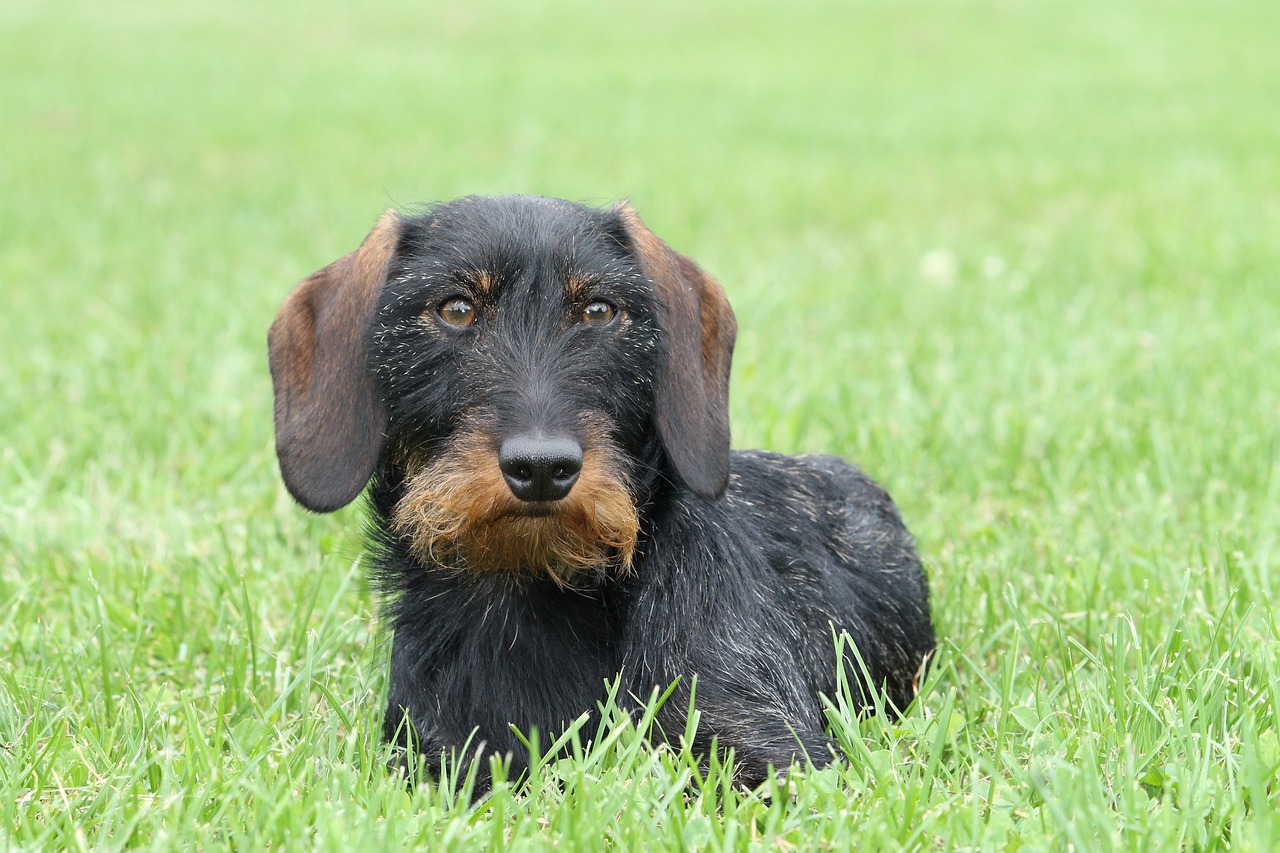
Start grooming dachshund puppies while they’re young so they grow up used to being handled. Brush a smooth coat once a week with a soft brush or grooming glove. Brush a longhaired coat several times a week with a slicker brush, and pay extra attention to the feathering on the chest, belly, and ears, where mats form first. Brush a wirehaired coat several times a week, and ask a groomer about hand-stripping a few times a year to keep the coat’s rough texture. Bathe your dachshund only when it needs it, usually just once every few months, since bathing too often dries out the skin.
Check the ears at least once a month, because ear infections are common in this breed: moisture gets trapped inside those floppy ears, letting bacteria and yeast grow. Brush the teeth daily if you can, since small dogs like dachshunds are prone to gum disease, and trim the nails every few weeks.
What to Feed Your Dachshund Puppy
Feed a high-quality, age-appropriate food that meets AAFCO standards, with real meat listed first. Puppies should eat a small-breed puppy formula until they’re about 12 months old, then switch to an adult formula for small breeds. Our list of the best dog food brands in the USA compares formulas by life stage, budget, and need.
Dachshund puppies should eat three to four small meals a day on a steady schedule. Once they’re grown, switch to two meals a day, morning and evening. Measure every meal, because this breed gains weight easily, and extra weight puts direct strain on the back. Treats should never make up more than 10 percent of the daily diet.
Your Dachshund Puppy’s First Vet Visits
Book your puppy’s first vet exam within the first week of bringing it home, and bring every record the breeder or rescue gave you.
Puppies usually start their core vaccine series between 6 and 8 weeks of age, with boosters every 3 to 4 weeks until about 16 weeks. The core series, often called DHPP, covers distemper, hepatitis, parvovirus, and parainfluenza, and rabies is usually given around 12 to 16 weeks, as required by law. The AKC’s puppy vaccination guide lays out the standard timeline in full.
Ask your vet about heartworm and flea prevention, too, usually starting around 12 to 16 weeks.
Health Problems to Watch For
Dachshunds can live long, happy lives, but the breed carries real health risks, and the long back sits at the center of most of them. The notes below are general information, not veterinary advice. Before you buy, ask the breeder for health clearances on the parents.
Intervertebral Disc Disease: The Breed’s Biggest Risk
Intervertebral disc disease, or IVDD, is the number one health issue in dachshunds. It happens when a disc in the spine bulges or slips out of place, pressing on the spinal cord. As many as 25 percent of dachshunds develop it in their lifetime, and it can lead to permanent paralysis if it isn’t treated quickly.
Watch for back pain, trouble walking, limping, holding the head or neck low, dragging paws, scuffed toenails, or problems urinating or defecating. Any of these signs means a vet visit right away, not tomorrow. Mild cases may improve with anti-inflammatory and pain medication, muscle relaxants, and strict cage rest, but severe cases often need surgery. If the signs look urgent, our emergency vet guide explains what counts as an emergency and what to do first. Keeping your dachshund lean, using ramps instead of stairs, and avoiding repeated jumping are the best everyday defenses.
Weight, Joints, Teeth, and Eyes
Obesity is the second-biggest threat to a dachshund’s health. These dogs gain weight easily, partly because their small size makes every extra ounce count and partly because back problems limit exercise, which leads to more weight gain. You should be able to feel the ribs easily under a thin layer of fat.
Luxating patella, where the kneecap slips out of place, is common in small dogs including dachshunds. You may notice a skip or bunny hop in your dog’s walk. Dental disease shows up early in this breed, so daily tooth brushing matters from puppyhood. Eye problems such as cataracts, glaucoma, and progressive retinal atrophy are also common, and breeders can screen for them. Idiopathic epilepsy, seizures with no known cause, usually starts between the ages of 1 and 5.
How Much Do Dachshund Puppies Cost in the USA?
| Cost | Typical range in 2026 |
|---|---|
| Puppy from a reputable breeder | $1,000 to $3,500 |
| Adoption fee from a rescue or shelter | $150 to $650 |
| First-year total, including purchase | $2,200 to $6,000 |
| Yearly care after year one | $1,500 to $3,000 |
| Pet insurance per month | $30 to $60 |
Prices vary by size, coat type, color, and location. Miniatures usually cost more than standards, and rare colors such as dapple or English cream can push the price past $3,500.
A price far below $1,000 should raise a red flag. Very cheap puppies often come from puppy mills or scams, with no health testing and no support. A high price doesn’t guarantee a better dog, either. What matters is the breeder’s health testing, not the price tag. And a single IVDD surgery can add thousands more.
Finding a Dachshund Puppy: Breeder vs Rescue
Start with the Dachshund Club of America, the breed’s national parent club, which keeps a breeder directory and rescue contacts.
A good breeder will let you meet the mother, show you health clearances for both parents, and take the puppy back at any point in its life if you can’t keep it. A breeder who can’t show you test results, who always has puppies available, or who pressures you to decide on the spot is one to walk away from.
Rescue is a real option, too. Dachshund rescue groups operate in nearly every state, and adoption fees usually include initial vetting. An adult rescue lets you see the size, coat, and temperament before you commit, which a puppy never can. Never buy a dachshund puppy from a pet store or an online listing with no health records. Those puppies often come from puppy mills, and the vet bills that follow can dwarf whatever you saved on the price.
Is a Dachshund Puppy Right for Your Home?
Dachshunds fit well in apartments and small homes, as long as they get enough walks, play, and mental stimulation every day. They do well with older children and adults. But they bark a lot, they dig, and they need their backs protected for life, so they aren’t a low-maintenance choice.
Think carefully if you work long hours away from home. A dachshund puppy left alone all day gets bored and anxious, and a bored dachshund chews, digs, and barks. Plan for a midday walker or sitter, or a good boarding kennel when you travel. Our dog boarding guide explains kennel types and costs. Be honest about the vet bills, too: back problems can mean sudden, expensive treatment.
Frequently Asked Questions
How much do dachshund puppies cost?
A dachshund puppy from a reputable US breeder usually costs $1,000 to $3,500. Adoption from a rescue or shelter usually costs $150 to $650.
How big do dachshund puppies get?
Standard dachshunds grow to 16 to 32 pounds and 8 to 9 inches tall. Miniature dachshunds stay under 11 pounds and stand 5 to 6 inches tall.
Are dachshund puppies good with children?
They do best with older children who handle them gently. Playtime with young children needs supervision, and kids should be taught to support the dog’s whole spine when picking it up.
Are dachshund puppies easy to train?
They’re smart but stubborn, so training takes patience. Short sessions with positive reinforcement work best.
Do dachshund puppies bark a lot?
Yes, they tend to bark a lot, at the doorbell, at animals outside, and at unfamiliar sounds. Training and plenty of exercise help, but barking is part of the breed.
When can a dachshund puppy go to its new home?
Most puppies go to their new homes at 8 weeks old, once they’re weaned and have had their first vet check and vaccinations. A breeder offering a puppy much younger than 8 weeks is a warning sign.
A dachshund puppy is a small dog with a huge personality. It asks for patient training, daily exercise, careful feeding, and a lifetime of back care, and in return it gives you a loyal, funny, fearless companion for 12 to 16 years.