Written by the Birds Animals Team · Last updated: November 19, 2026
This article is written from official veterinary guidance and reviewed by our editorial team for accuracy. It is general information only, not veterinary advice. Always consult your veterinarian for your pet’s care.
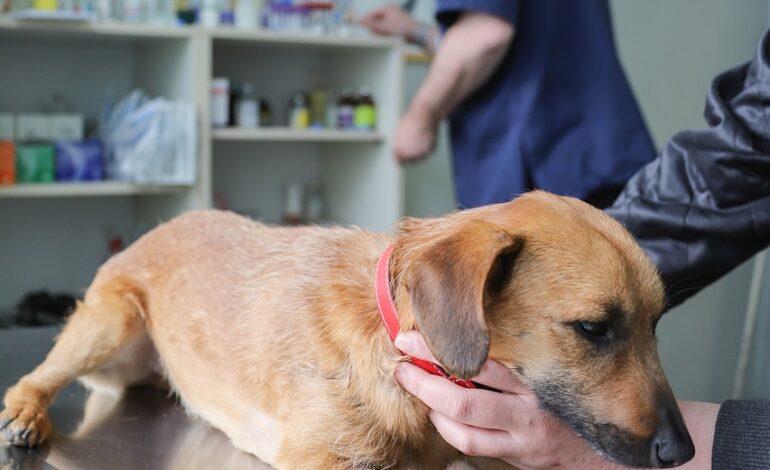
When your dog starts retching at midnight or your cat suddenly struggles to breathe, you do not have time to guess. An emergency vet is a veterinarian who treats life-threatening injuries and illnesses at any hour, including nights, weekends and holidays. This guide shows you how to spot a true emergency, what to do in the first minutes, how to find help fast in the USA, and what the visit is likely to cost.
In short: if your pet is struggling to breathe, bleeding heavily, collapsing, having seizures, or may have swallowed something poisonous, go to an emergency clinic now. However, if your pet is alert, breathing normally and stable, a same-day urgent care clinic or a call to your regular vet may be enough. The sections below make that choice much easier.
This article offers general information only. It is not veterinary advice, and it cannot replace an examination by a veterinarian. If your pet looks seriously unwell right now, stop reading and call a veterinarian.
Signs Your Pet Needs an Emergency Vet Right Now
The American Veterinary Medical Association (AVMA) urges owners to seek immediate veterinary care for a clear set of warning signs. You do not need to see all of them. One serious sign is enough reason to leave.
- Severe bleeding, or bleeding that does not stop within five minutes
- Choking, difficulty breathing, or nonstop coughing and gagging
- Blood from the nose, mouth or back end, coughing up blood, or blood in the urine
- Inability to urinate or pass stool, or obvious pain when trying
- Any injury to the eyes
- Known or suspected poisoning, such as antifreeze, xylitol, chocolate or rat poison
- Seizures, staggering, or sudden confusion
- Broken bones, severe lameness, or a leg your pet cannot move
- Signs of extreme pain, such as crying out, whining or shaking
- Heatstroke signs, including heavy panting, thick drool, weakness or collapse on a hot day
- Severe vomiting or diarrhea, especially with blood, weakness or other illness
- Refusal to drink for 24 hours or more
- Collapse or loss of consciousness
Two Emergencies Owners Often Miss
First, bloat can kill a healthy dog within hours. In this condition, the stomach fills with gas and twists. Deep-chested breeds face the highest risk. Watch for retching that brings nothing up, a swollen or tight belly, restlessness and drooling. This dog needs an emergency hospital immediately, because surgery is often the only fix.
Second, a blocked bladder is a quiet emergency, especially in male cats. A cat that strains in the litter box, cries and produces little or no urine can become critically ill very quickly. Therefore, never wait until morning to see if it clears on its own.
What to Do in the First Minutes of a Pet Emergency
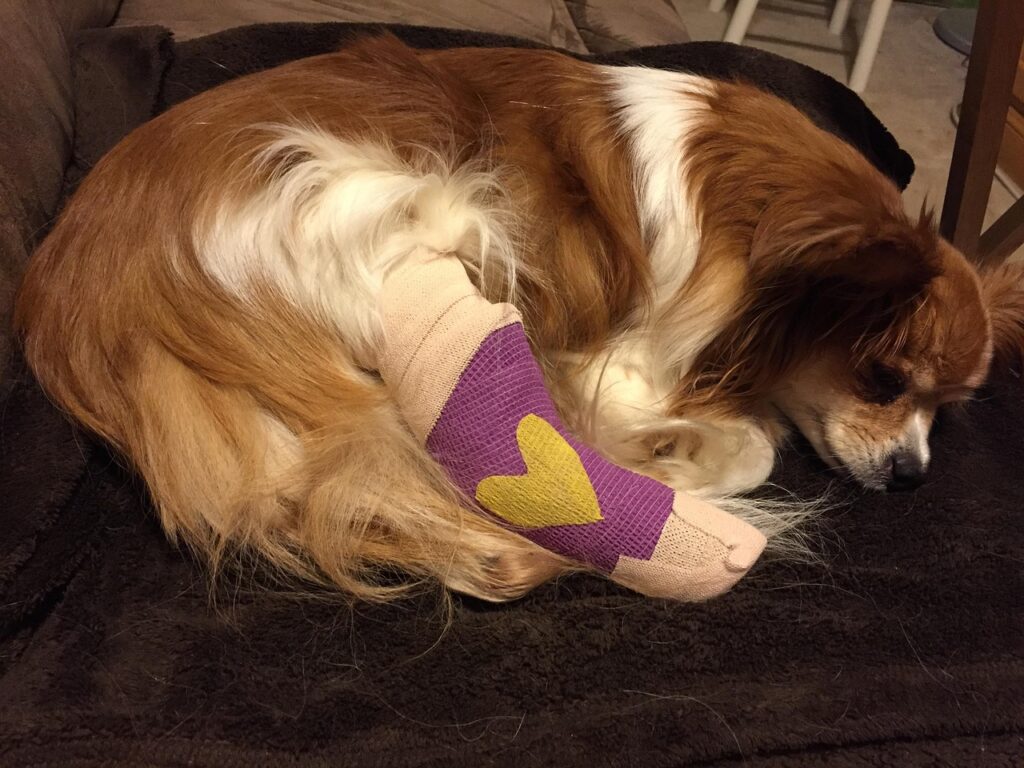
Your first job is to keep your pet stable and get moving. These steps come from standard veterinary first aid guidance.
- Stay calm and keep yourself safe. An injured pet may snap or bite, even a gentle one. Approach slowly, speak softly and keep your face away from your pet’s mouth.
- Call ahead. Phone the clinic while someone else drives, or call on speaker as you leave. The team can prepare for your arrival and talk you through first aid on the way.
- Control bleeding with steady pressure. Press a clean cloth firmly over the wound and keep pressing for at least three minutes without lifting it to peek. If blood soaks through, add another cloth on top instead of removing the first one.
- Cool a heatstroke pet carefully. Move your pet into the shade, lay towels soaked in room-temperature water over the body, and head straight to the clinic. Avoid ice-cold water, which can do more harm than good.
- Never make a poisoned pet vomit on your own. Bringing the wrong substance back up can cause a second injury. Instead, call your vet or ASPCA Poison Control at (888) 426-4435 and follow their instructions exactly.
- Transport your pet gently. Keep your pet warm, calm and still. Use a carrier for cats and small dogs, and support a suspected broken leg rather than tying a tight splint yourself.
What to Bring to the Emergency Clinic
Grab your pet’s vaccine records if they are close at hand, plus a list of current medications. Also bring the packaging of anything your pet may have eaten. Note when the signs started and how they changed. Finally, bring a payment card and your pet insurance details if you have them. Do not delay leaving just to hunt for paperwork.
How to Find an Emergency Vet Near You in the USA
The fastest search is the one you did before the emergency. Today, while your pet is healthy, save three things in your phone: your regular vet’s after-hours number, the address of your nearest 24-hour emergency animal hospital, and the ASPCA Poison Control number, (888) 426-4435.
Next, ask at your next routine visit which hospital your clinic refers owners to after hours. Many practices record that information on their voicemail and website as well. When you search online maps for “emergency vet near me,” check the hours carefully. Some clinics offer extended evening hours rather than true round-the-clock cover. Meanwhile, in rural areas, the emergency vet is often your regular veterinarian on an on-call rota. Many university veterinary teaching hospitals also run emergency services for their regions.
Always call before you set off, if you can. The team will confirm they can take your pet, give you directions and start preparing for your arrival.
20 Emergency Vet Hospitals in the USA That Are Open 24/7
If your dog needs help tonight, these hospitals are open around the clock. Every hospital below runs a 24/7 emergency service for dogs and other pets. Call ahead while you travel so the team can get ready for your arrival.
| Hospital | Address | City | Phone |
|---|---|---|---|
| Schwarzman Animal Medical Center | 510 East 62nd Street | New York, NY 10065 | (212) 838-8100 |
| Angell Animal Medical Center (MSPCA-Angell) | 350 South Huntington Avenue | Boston, MA 02130 | (617) 522-7282 |
| Friendship Hospital for Animals — Emergency & Specialty Center | 5025 Wisconsin Avenue NW | Washington, DC 20016 | (202) 363-7300 |
| Metropolitan Veterinary Associates | 2626 Van Buren Avenue | Norristown, PA 19403 | (610) 666-1050 |
| BluePearl Pet Hospital — Tampa | 3000 Busch Lake Boulevard | Tampa, FL 33614 | (813) 933-8944 |
| UF Small Animal Hospital | 2089 SW 16th Avenue | Gainesville, FL 32608 | (352) 392-2235 |
| NC State Veterinary Hospital | 1052 William Moore Drive | Raleigh, NC 27607 | (919) 513-6911 |
| BluePearl Pet Hospital — Sandy Springs | 455 Abernathy Road NE | Sandy Springs, GA 30328 | (404) 459-0903 |
| MedVet Chicago | 3123 North Clybourn Avenue | Chicago, IL 60618 | (773) 281-7110 |
| The Ohio State University Veterinary Medical Center | 601 Vernon L. Tharp Street | Columbus, OH 43210 | (614) 292-3551 |
| Wisconsin Veterinary Referral Center (WVRC) | 360 Bluemound Road | Waukesha, WI 53188 | (262) 542-3241 |
| MedVet Dallas | 11333 North Central Expressway | Dallas, TX 75243 | (972) 994-9110 |
| Texas A&M Small Animal Teaching Hospital | 408 Raymond Stotzer Parkway | College Station, TX 77845 | (979) 845-2351 |
| BluePearl Pet Hospital — Katy | 19450 Katy Freeway, Suite 200 | Katy, TX 77094 | (281) 675-6000 |
| DoveLewis Veterinary Emergency & Specialty Hospital | 1945 NW Pettygrove Street | Portland, OR 97209 | (503) 228-7281 |
| BluePearl Pet Hospital — Seattle | 11536 Lake City Way NE | Seattle, WA 98125 | (206) 364-1660 |
| ACCESS Specialty Animal Hospital — Los Angeles | 9599 Jefferson Boulevard | Culver City, CA 90232 | (310) 558-6100 |
| SAGE Veterinary Centers — Redwood City | 934 Charter Street | Redwood City, CA 94063 | (650) 417-7243 |
| VetMED Emergency & Specialty Veterinary Hospital | 20612 North Cave Creek Road | Phoenix, AZ 85024 | (602) 697-4694 |
| Wheat Ridge Animal Hospital | 10140 West 44th Avenue | Wheat Ridge, CO 80033 | (303) 424-3325 |
Emergency rooms work by triage, so the most critical patients are treated first. If your nearest hospital is full, the team will tell you the next closest option.
Emergency Vet, Urgent Care or Your Regular Vet?
American pet care now works in three tiers, much like human healthcare. Choosing the right tier saves you time, money and stress.
| Where to go | Best for | Hours | Good to know |
|---|---|---|---|
| Your regular vet | Routine care, mild illness, follow-up visits | Business hours | Knows your pet’s full history and may offer same-day sick slots |
| Veterinary urgent care | Sick but stable pets: vomiting, ear infections, minor wounds, limping | Extended hours, same-day | Usually shorter waits and lower fees than an ER; no overnight stays or major surgery |
| Emergency hospital (ER) | Life-threatening problems: breathing trouble, major trauma, seizures, heavy bleeding | Open 24/7 | ICU, surgery and specialists on site; triage means the sickest pets are seen first |
In other words, urgent care fills the gap between your regular clinic and the ER. If your pet passes the red-flag list above, though, skip the middle tier and drive straight to the hospital.
How Much Does an Emergency Vet Cost in the USA?
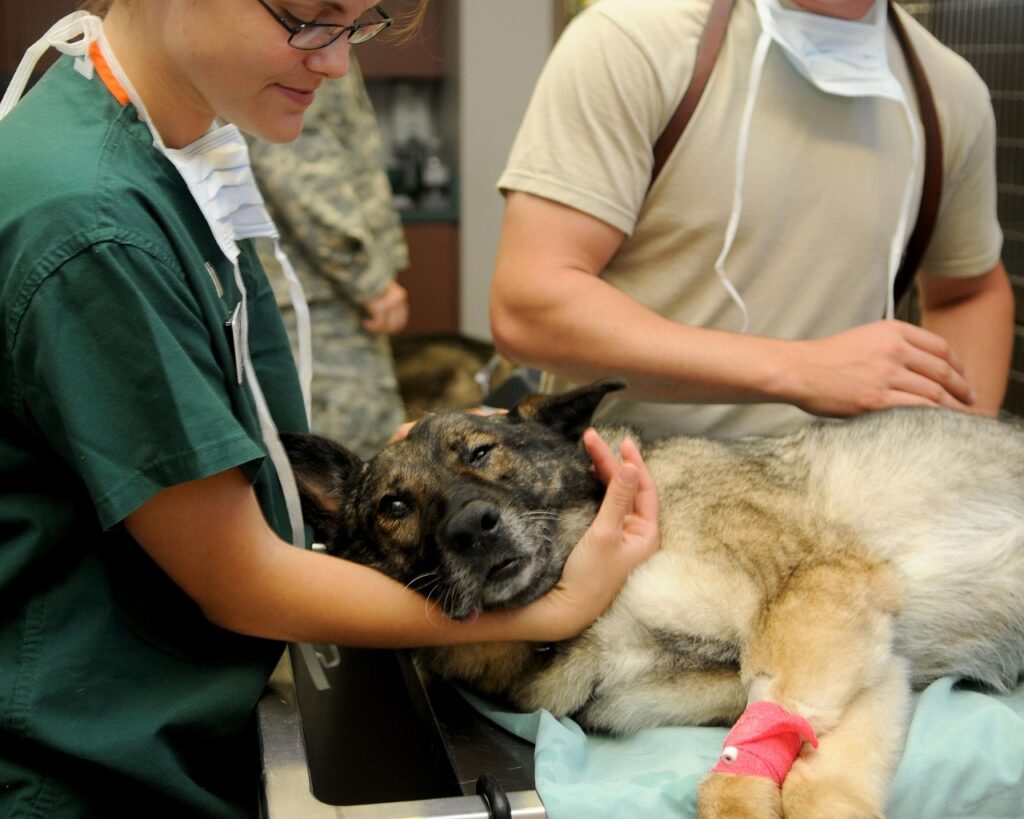
Prices vary widely by state, city, the size of your pet and the severity of the problem. Emergency care costs more than daytime care for clear reasons. Hospitals staff vets and nurses around the clock, run advanced equipment such as ultrasound and oxygen cages, and often share a building with specialists. WebMD’s pet health guide puts the average emergency visit for a dog at about $135, rising to around $300, and that is before most tests and treatment.
| Part of the visit | Typical US cost |
|---|---|
| Emergency exam and assessment | Around $135 on average for a dog, up to about $300 |
| Basic blood work | $80-200 |
| Basic imaging (X-rays or ultrasound) | $150-600 |
| Hospitalization for 3 to 5 days | $2,000-3,500 |
| Emergency surgery | $2,000-5,000 |
These are typical ranges, not quotes, and your clinic’s written estimate is the number that counts. Most emergency clinics ask for a deposit before treatment and expect full payment when your pet goes home. Therefore, ask for an itemized estimate early, and ask what can safely be staged if money is tight. Many owners pay with savings, a standard credit card or CareCredit, a card designed for medical costs. Pet insurance usually works by reimbursement, which means you pay the clinic first and then claim the money back. Charities and online fundraising help some owners too, although applications take time.
What Happens During an Emergency Vet Visit
When you arrive, the team triages your pet. They check breathing, circulation and responsiveness within moments. The sickest patients go first, so a stable pet may wait while critical cases come through the door. On a busy night, that wait can stretch to several hours.
After triage, the vet examines your pet and recommends tests such as blood work or imaging. You will normally approve a written estimate before treatment begins, unless your pet needs immediate stabilization. Treatment may include oxygen, IV fluids, medication or surgery. Some pets go home the same night, while others stay for monitoring.
Before you leave, you should receive discharge instructions, any medication your pet needs and a follow-up plan. The hospital also sends the records to your regular vet, who handles the ongoing care. Keep your own copies, because they help at every future visit.
When a Phone Call Is the Right First Move
Sometimes the smartest first step is a phone call, not a car ride. Suspected poisoning is the clearest example. If your pet is stable and you think they ate something toxic, call your veterinarian or ASPCA Poison Control at (888) 426-4435. The line is staffed by veterinary toxicology experts 24 hours a day, 365 days a year, and a consultation fee may apply. They can judge the risk from the exact substance and your pet’s weight, then tell you whether to monitor at home or come in. They can also brief the clinic before you arrive.
Mild problems during the day work the same way. Call your regular vet, describe the signs clearly and follow their advice on timing. However, never let a phone call delay a journey when your pet cannot breathe, is bleeding heavily or has collapsed. In those cases, drive first and call from the car.
Set Your Emergency Plan Up Before You Need It
Preparation turns a crisis into a routine you have already rehearsed. Keep medicines, chocolate, sugar-free gum with xylitol, grapes and cleaning products locked away, because poisoning sends pets to clinics every single week. Feed your pet a balanced diet from a brand you trust; our guide to the top 10 best dog food brands in the USA compares the leading options. Keep dogs safely contained at home too. A reliable system such as an invisible fence for dogs can help stop a dog bolting into the road, where one accident can mean emergency surgery.
Choose your regular veterinarian before any crisis, not during one. Our guide to the 20 best dog doctors in the USA explains what good clinics offer and how to compare them. Supervise meetings between unfamiliar dogs as well, because bite wounds often need same-day care; our roundup of the most dangerous dogs in the world shows which breeds demand the most respect and training. Finally, if you have just brought home a puppy, build the emergency numbers into your routine from day one, just as you do with feeding and potty training a puppy.

Questions Owners Ask About Emergency Vets
How much is an emergency vet exam?
WebMD’s pet health guide puts the average at about $135 for a dog, rising to around $300. Tests and treatment cost extra. Blood work commonly adds $80 to $200, while imaging such as X-rays or an ultrasound adds $150 to $600.
Should I call the emergency vet before I go?
Yes, if you can do it without delaying the journey. A short call lets the team prepare, confirm directions and advise you on first aid. Call from the car, or have a passenger call while you drive.
What if I cannot afford the emergency vet bill?
Tell the team early and honestly. Ask for an itemized written estimate, and ask which parts of the plan are urgent and which can wait. Most clinics require a deposit and full payment at discharge. Savings, credit cards, CareCredit, pet insurance reimbursement, charities and fundraising are the routes owners most often use.
Does pet insurance cover emergency vet visits?
Most accident and illness policies cover emergency care, although every policy sets its own limits and exclusions. You will usually pay the clinic yourself first and then claim the money back from the insurer. Check your own policy today, not during a crisis.
Is urgent care cheaper than an emergency vet?
Generally, yes. Urgent care clinics usually charge lower fees and move faster, because they treat stable pets who need help today. However, they cannot hospitalize your pet overnight or perform major surgery. If the problem is life-threatening, the emergency hospital is the only safe choice.
My dog ate chocolate. What should I do?
Do not wait for symptoms, and do not make your dog vomit unless a professional tells you to. Call your veterinarian or ASPCA Poison Control at (888) 426-4435. Tell them your dog’s weight, the type of chocolate and roughly how much was eaten. They will tell you whether your dog needs the clinic or careful watching at home.
How long will I wait at the emergency vet?
It depends on triage, not on the order of arrival. Critical patients go first, so a stable pet may wait several hours on a busy night. Bring a phone charger, water and patience, and expect updates as the team works through the queue.
Be the Owner Who Is Ready
Most emergencies feel chaotic, but your part is simple. Learn the warning signs, save the numbers today and decide in advance which emergency vet you will use. Keep your regular vet’s details, the nearest 24-hour hospital and ASPCA Poison Control, (888) 426-4435, in your phone right now. That small step, done on a calm day, is the one that protects your pet on the worst day.
Disclaimer: This article is for general information only and is not a substitute for professional veterinary advice, diagnosis, or treatment. If your pet is sick, injured, or in an emergency, contact your veterinarian or an emergency animal hospital right away.





1 Comment
[…] Bring the breeder’s paperwork, including the vaccination record. If it is an emergency, our guide to emergency vets explains when to go and what to […]