Hypoallergenic Dogs: Best Breeds for Allergy Sufferers
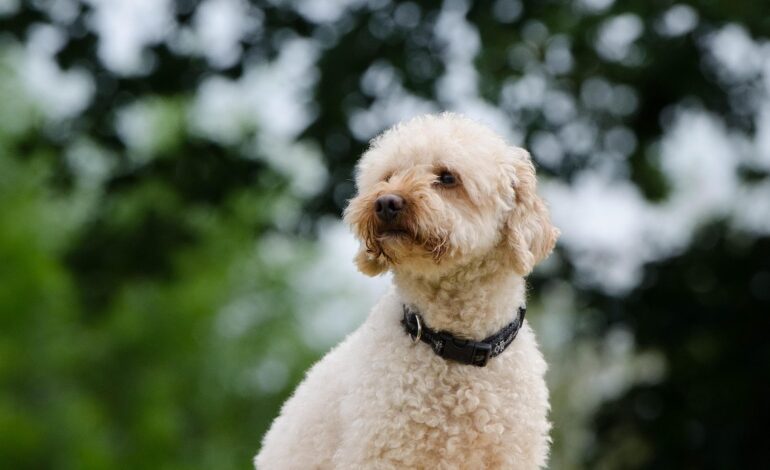
Hypoallergenic dogs are the first thing most allergy sufferers search for when they want a dog without the sneezing. The idea sounds simple: pick a breed that sheds less, and your allergies stay quiet. The truth is more complicated, and knowing it before you buy can save you money and heartache.
There is no such thing as a 100% hypoallergenic dog. Every dog makes allergenic proteins in its skin, saliva, and urine, and even hairless dogs produce them. That said, some breeds shed very little, so less dander-carrying hair drifts around your home. For many allergy sufferers, those low-shedding breeds — Poodles, Bichon Frises, Maltese, and Miniature Schnauzers among them — are easier to live with. The right choice depends on your own sensitivity, so test a breed in person before you commit.
This guide is written from official veterinary and allergy guidance and reviewed by our editorial team for accuracy. It shares general information only, not veterinary or medical advice. Talk to your doctor or allergist about your own allergies before you bring a dog home.
What “Hypoallergenic” Really Means for Dog Lovers
The word hypoallergenic means “less likely to trigger an allergic reaction,” not “allergy-free.” No kennel club or allergy association certifies any breed as hypoallergenic. The American Kennel Club (AKC) is clear: while no dog is 100 percent hypoallergenic, it suggests certain breeds for people with allergies because their coats shed little and release less dander.
What sets these breeds apart is their coat. Most of them have hair that grows continuously, like human hair, instead of fur that sheds in seasonal cycles. Loose hairs stay trapped in curls or wiry coats instead of landing on your sofa and clothes.
The trigger is not the hair itself. The proteins that set off dog allergies live in dander (tiny flakes of dead skin), saliva, and urine, and they dry onto the hair and travel with it. Less shedding means fewer protein-carrying hairs around your home, but the proteins are still there. That is why hypoallergenic dogs can still trigger symptoms in some people.
Why Your Body Reacts to Dogs
When you are allergic to dogs, your immune system mistakes harmless dog proteins for a threat and releases chemicals like histamine. That response causes sneezing, itchy eyes, a runny nose, and congestion — and for people with asthma, wheezing, chest tightness, and shortness of breath.
Scientists have named the main dog allergens Can f 1 through Can f 6. Can f 1, found in dander, hair, and saliva, causes most reactions. Can f 5 comes from the prostate of male dogs, so it shows up in the urine and saliva of unneutered males and drops sharply in neutered males. About 20 to 30 percent of people with dog allergies react mainly to Can f 5, according to the American Academy of Allergy, Asthma & Immunology (AAAAI). Those people may do fine with a female dog or a neutered male.
Around 10 percent of Americans show allergic sensitization to dogs, the AAAAI reports, and pet allergies in general affect nearly 3 in 10 people in the United States, according to figures cited by PetMD.
Do Hypoallergenic Dogs Actually Work?
A 2012 study in the Journal of Allergy and Clinical Immunology measured Can f 1 in the hair and coats of dogs from breeds sold as hypoallergenic, including Labradoodles, Poodles, and Spanish Water Dogs, and compared them with other breeds. The samples from the so-called hypoallergenic breeds carried significantly higher Can f 1 levels, not lower, while dust from the owners’ homes showed no difference between the two groups.
That study measured allergen levels, not symptoms, and it looked at households at a single point in time. It does not prove that breed never matters. Many allergy sufferers do report fewer symptoms around low-shedding breeds. The safest way to read the evidence is this: hypoallergenic dogs improve your odds, but they do not promise a sneeze-free life.
The Best Hypoallergenic Dog Breeds
The AKC suggests a list of breeds for allergy sufferers. The hypoallergenic dogs below shed little, have predictable coats, and fit a range of homes, from small apartments to large houses with yards.
| Breed | Size | Coat | Grooming | Typical US Breeder Price |
|---|---|---|---|---|
| Poodle (Toy, Miniature, Standard) | 4–70 lb by size | Tight curls, grows continuously | Every 4–6 weeks | $1,500–$3,500 |
| Bichon Frise | 12–18 lb | Soft, curly double coat | Every 4–6 weeks | $1,500–$3,500 |
| Maltese | Under 7 lb | Long, silky, single layer | Every 4–6 weeks | $1,500–$4,000 |
| Miniature Schnauzer | 11–20 lb | Wiry double coat | Every 5–8 weeks | $1,000–$3,000 |
| Shih Tzu | 9–16 lb | Long, flowing coat | Every 4–8 weeks | $1,000–$3,000 |
| Havanese | 7–13 lb | Silky, wavy coat | Every 6–8 weeks | $1,500–$3,500 |
| Portuguese Water Dog | 35–60 lb | Curly or wavy, water-resistant | Every 4–8 weeks | $2,000–$4,000 |
Prices are typical US breeder ranges and vary by location, pedigree, and health testing.
Poodle: The Allergy-Friendly Classic Among Hypoallergenic Dogs
The Poodle tops almost every list of hypoallergenic dogs. Its tight, curly coat traps loose hair and dander, and it comes in three sizes — Toy, Miniature, and Standard. The coat needs professional grooming every four to six weeks, or the curls mat.
Bichon Frise: The Cheerful Cloud
The Bichon Frise is soft, cheerful, and eager to be near people. Its curly double coat sheds very little because loose hairs catch in the outer curls. Brush several times a week and trim every four to six weeks.
Maltese: The Tiny Lapdog
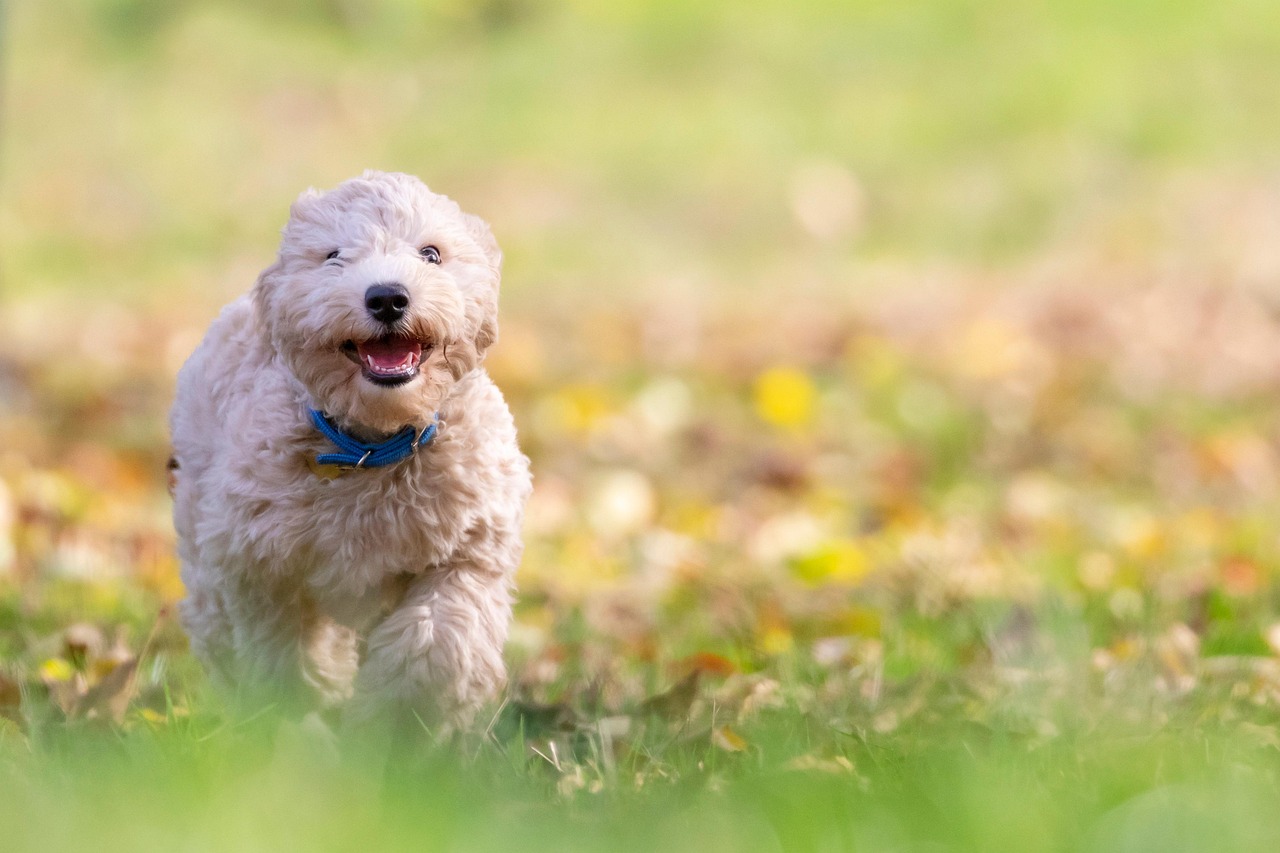
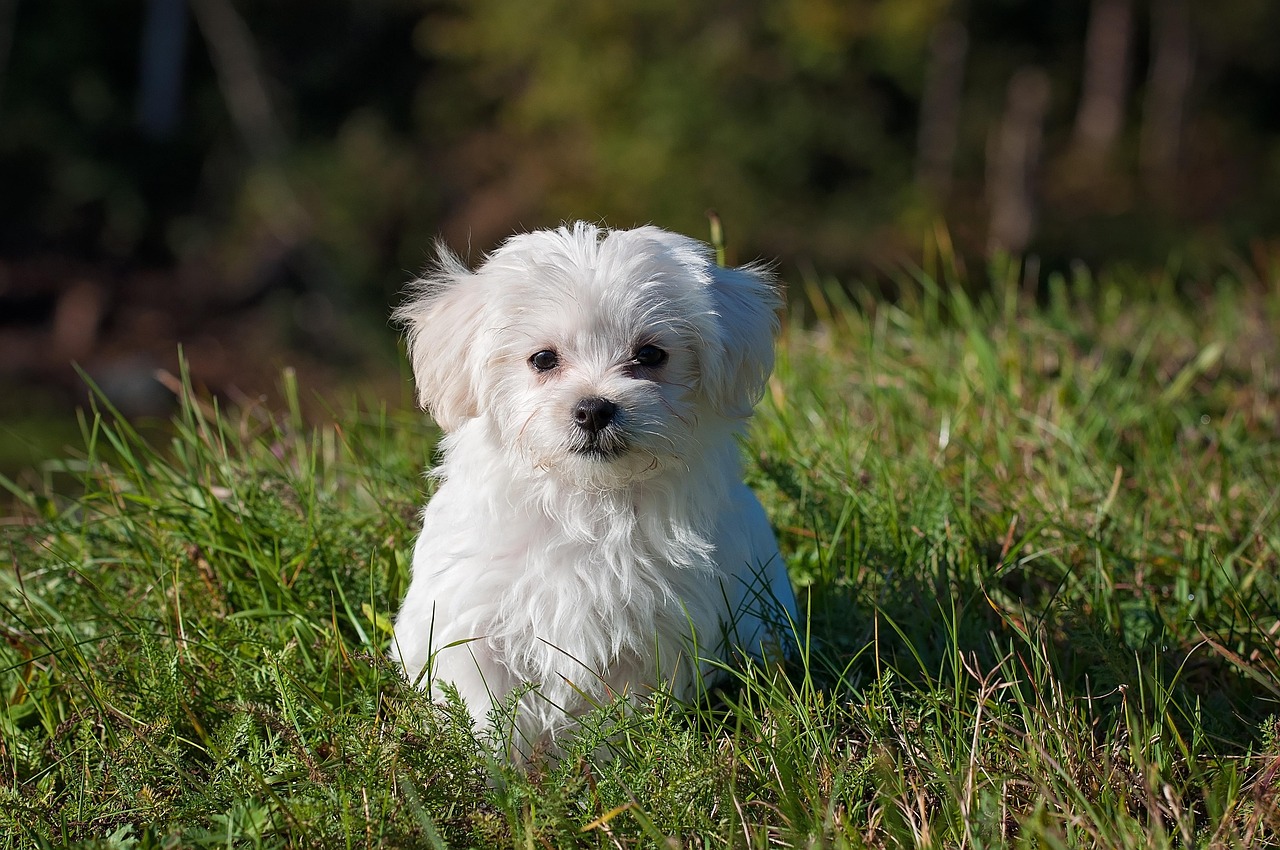
This toy breed weighs under 7 pounds and carries a long, silky coat with no undercoat, so it sheds very little. Brush daily if the coat is kept long, or keep it in a short puppy cut.
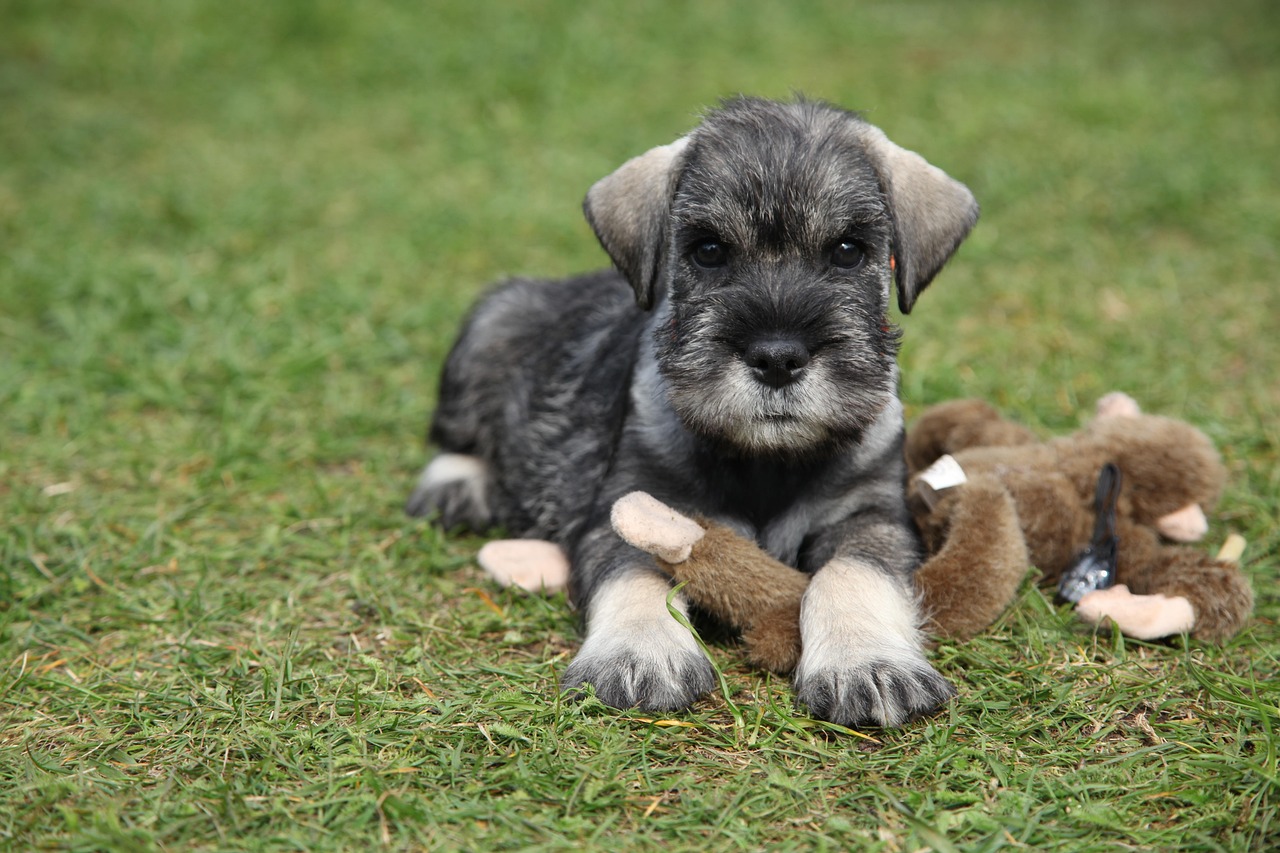
Miniature Schnauzer: The Bearded Watchdog
The Miniature Schnauzer pairs a wiry, low-shedding double coat with a bold, alert personality. These sturdy little dogs are smart, good with kids, and happy in apartments with daily walks and play. Brush a few times a week and clip every five to eight weeks.
Shih Tzu: The Calm Companion
This small, sturdy dog has a long, flowing coat that sheds very little and a calm, friendly nature. Brush daily if the coat is kept long, or keep it in a short clip.
Havanese: The Velcro Dog
The Havanese is Cuba’s national dog and a natural shadow — it follows its owner from room to room. Its silky, wavy coat sheds very little, and the breed is gentle, playful, and good with kids and other pets. Brush a few times a week and groom every six to eight weeks.
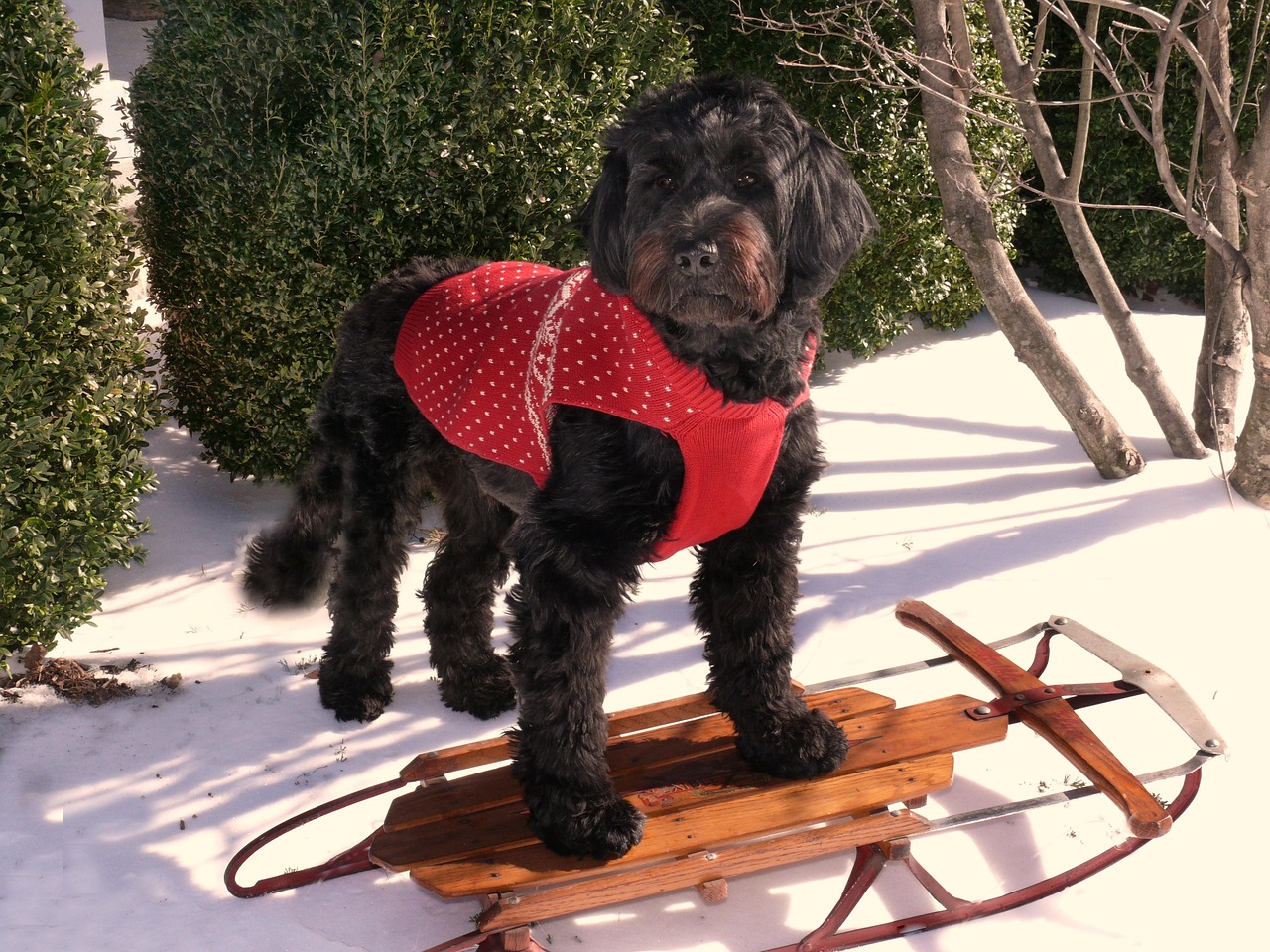
Portuguese Water Dog: The Active Swimmer
The Portuguese Water Dog is the largest breed on this list and the most athletic. Bred to work alongside fishermen, it has a curly or wavy waterproof coat and a love of water that never fades. These dogs need daily exercise and grooming every four to eight weeks.
Soft Coated Wheaten Terrier and Other Terriers
The Soft Coated Wheaten Terrier is another AKC-suggested breed, with a silky coat that sheds very little and a happy, bouncy personality. Other terriers on the list include the Bedlington Terrier, the Kerry Blue Terrier, and the Irish Water Spaniel.
Hypoallergenic Dog Crosses Worth Knowing
Poodle crosses dominate the hypoallergenic dogs market, because breeders hope the puppies inherit the Poodle’s low-shedding coat. But a crossbreed puppy can inherit either parent’s coat, so there is no guarantee it will shed less.
The Cavapoo, a Cavalier King Charles Spaniel crossed with a Poodle, is one of the most popular crosses in the US. Its small size, gentle nature, and wavy coat make it a favorite for families and apartment dwellers. Our full guide covers the Cavapoo’s price, size, temperament, and care in detail.
The Bernedoodle, a Bernese Mountain Dog crossed with a Poodle, is a larger, teddy-bear-like companion that many families choose for its calm nature. Its coat varies from puppy to puppy, so meet the parents and the puppy first. Our Bernedoodle puppies guide covers costs, sizes, and training.
The Labradoodle is the original Poodle cross, and it appears on many hypoallergenic lists. Treat the label with the same caution as any other breed: spend time with the specific puppy first, and ask the breeder about the parents’ coat type.
What Hypoallergenic Dogs Cost in the USA
The price of hypoallergenic dogs varies widely. A dog marketed as hypoallergenic usually costs $1,000 to $5,000 or more from a responsible US breeder, depending on the breed, location, pedigree, and health testing. Current US examples put Bichon Frise puppies around $2,000 to $2,500, Poodles around $1,800 to $3,000, and Portuguese Water Dogs around $3,000 to $3,500. Adoption is far cheaper, usually $50 to $500, often including vaccinations, spaying or neutering, and a microchip.
The purchase price is only the start. Low-shedding coats are high-maintenance coats, and professional grooming is the biggest ongoing cost: $50 to $130 per visit, every four to eight weeks, or roughly $325 to $1,700 a year. Add food, vet visits, and HEPA filters, and the first year can easily top $2,000 beyond the purchase price.
Living With Hypoallergenic Dogs: How to Cut Dander at Home
Wash your hands after petting your dog, and avoid touching your eyes and face until you do. Keep your bedroom pet-free, with the door closed, so you get eight hours in a low-allergen space. Vacuum often with a HEPA-filtered vacuum, run a HEPA air purifier where you spend the most time, wash your dog’s bedding weekly, and remove rugs and heavy drapes where dander settles.
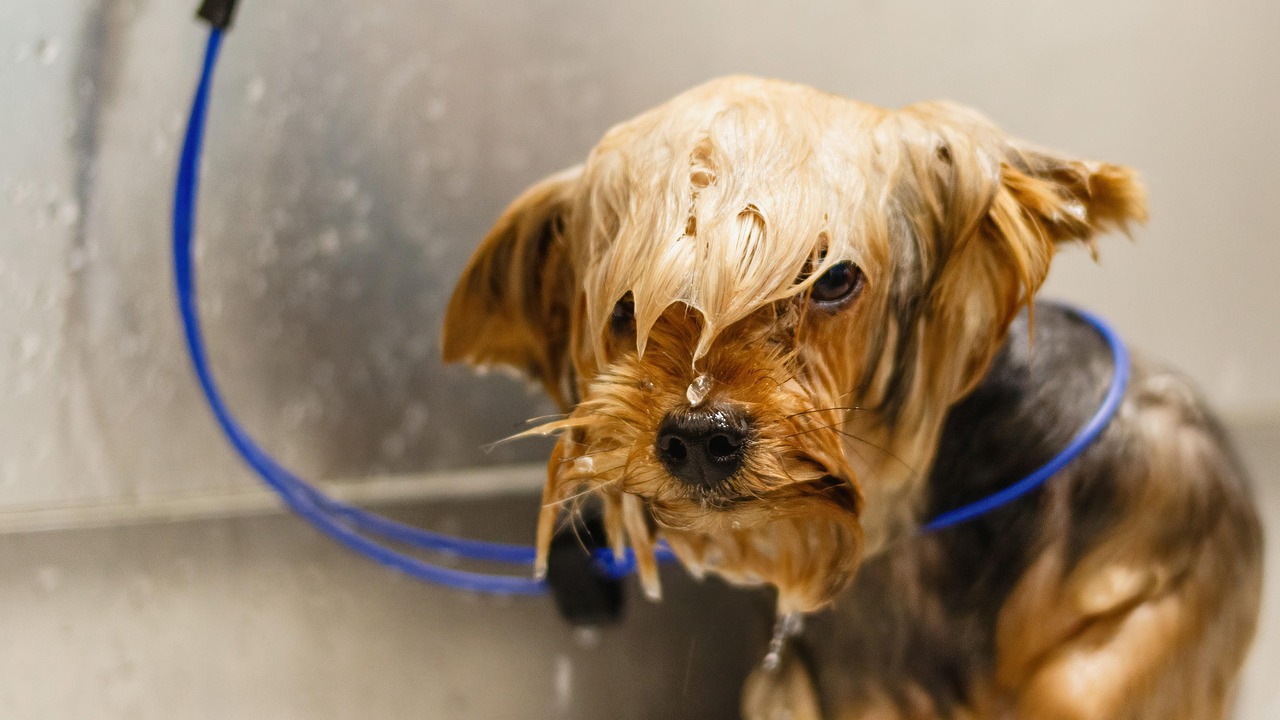
Bathing helps, but only briefly. Washing your dog at least twice a week can lower allergen levels for a short time, yet the AAAAI notes that Can f 1 levels return to baseline within two to three days after a bath. Grooming still matters, but do not count on baths alone to control your symptoms.
For long-term relief, talk to an allergist about your options. Antihistamines and nasal steroid sprays can control day-to-day symptoms, and immunotherapy (allergy shots) gradually trains your immune system to react less to pet allergens. Always talk to your doctor before you rely on medication to live with a pet.
How to Test Hypoallergenic Dogs Before You Commit
Never buy hypoallergenic dogs on the strength of the label alone. The AKC’s own advice is to visit an owner who has the breed you want and spend several hours with the dog, so you can see how your body reacts. A reputable breeder or rescue will let you do this, and some offer a weekend trial.
Before that visit, see an allergist. A skin or blood test can confirm whether you are allergic to dogs at all, and it can identify which proteins trigger you.
Pet it, hold it, sit with it in a closed room, and wait. Symptoms usually show up within minutes, but give it a few hours to be sure.
Breeds to Skip If You Have Allergies
Some breeds shed heavily all year, and they are the hardest on allergy sufferers. The Cleveland Clinic lists Basset Hounds, Boston Terriers, Bulldogs, Doberman Pinschers, German Shepherds, Labrador Retrievers, Pekingese, Pugs, Saint Bernards, and Siberian Huskies among the breeds to avoid. Short hair does not mean low shedding — Labradors and Beagles are often the worst, because they shed constantly.
That does not mean you can never own one of these breeds. If your heart is set on a Golden Retriever, know that it sheds heavily and plan for daily brushing, frequent vacuuming, and a HEPA filter in every main room. Our Golden Retriever guide covers the breed’s shedding and care in full. If you love German Shepherds, our German Shepherd puppies guide explains what life with this heavy-shedding breed really looks like.
Frequently Asked Questions
Are hypoallergenic dogs really hypoallergenic?
No. Every dog produces allergenic proteins in its skin, saliva, and urine. Breeds sold as hypoallergenic shed less, so less dander-carrying hair spreads through your home. They may be easier to live with, but they are not allergy-free.
Which hypoallergenic dogs are best for severe allergies?
There is no single best breed for severe allergies, because reactions vary from person to person. Poodles are often the first choice, since their tight, curly coat traps dander and they come in three sizes. See an allergist first, then spend several hours with the breed you are considering before you commit.
Do hypoallergenic dogs still shed?
Yes, but very little. Low-shedding breeds lose far less hair than heavy shedders, and the hair they do lose often stays trapped in the coat until brushing or grooming removes it. Regular brushing and professional grooming keep loose hair and dander under control.
Can I live with a dog if I am allergic?
Yes, many people do. Choose a low-shedding breed, keep your bedroom pet-free, vacuum with a HEPA filter, wash your hands after handling your dog, and talk to your doctor or allergist about medication or immunotherapy. If your symptoms affect your breathing, see a doctor right away.
How much does a hypoallergenic dog cost?
Expect $1,000 to $5,000 or more from a responsible US breeder, depending on the breed. Poodles often run $1,800 to $3,000, Bichon Frises around $2,000 to $2,500, and Portuguese Water Dogs around $3,000 to $3,500. Adoption usually costs $50 to $500. Budget $325 to $1,700 a year for grooming on top of food and vet care.
Hypoallergenic dogs can open the door to dog ownership for people who thought allergies had closed it. The label is not a promise, but the right low-shedding breed, tested in person, combined with a clean home and good medical advice, gives many allergy sufferers a real shot at life with a dog. Choose with your eyes open, and pick the dog that fits your home and your health — not just the label.
This article shares general information about dog allergies and low-shedding breeds. It is not veterinary or medical advice. Dog allergies can be serious, especially for people with asthma. Talk to your doctor or allergist before you bring a dog into your home, and see a doctor right away if you have breathing trouble around dogs.
Written by the Birds Animals Team · Last updated: November 21, 2026