Dog Breeds: How to Pick the Perfect Pup for Your Home

Some dogs weigh less than a bag of groceries, while others weigh more than their owners. Some were bred to pull sleds through snow, and others were bred to sit on a lap. With more than 200 dog breeds recognized in the United States alone, picking one can feel overwhelming. Yet the choice gets much easier once you know the groups, the top breeds, and how a breed fits your home, schedule, and budget.
What are dog breeds? A dog breed is a group of dogs with the same looks, size, and temperament, bred over generations for a specific job. A breed always “breeds true.” For instance, two purebred Labradors will always have puppies that look and act like Labradors. Each breed has a written breed standard for its ideal size, coat, movement, and temperament. More than 340 dog breeds exist around the world, and the American Kennel Club now recognizes 202 of them.
What Are Dog Breeds, Exactly?
People have bred dogs for thousands of years, shaping them for the work they needed done. Hunting, guarding, and herding were among the earliest jobs. As a result, dogs were bred toward the build and temperament each job called for. The sleek Greyhound type was bred to chase fast prey, while the huge mastiff type was bred to guard homes and livestock.
Over time, those working types split into distinct breeds, each with its own look and personality. That is why a Beagle puppy always grows up looking and acting like a Beagle.
Today, dog breeds range from the tiny Chihuahua, which can weigh under 6 pounds, to the giant Great Dane, which can top 170 pounds. They also range from couch potatoes to athletes that need hours of activity a day. The breed you pick shapes your daily life for the next 10 to 15 years, so choose with care.
The 7 AKC Dog Breed Groups at a Glance
The American Kennel Club sorts its recognized breeds into seven groups. Each group is organized by the original work its breeds were developed to do. Once you know the groups, you can read any breed like a short resume. For example, its group tells you what it was built for and what kind of energy to expect.
| Group | Original job | Energy level | Breeds you may know |
|---|---|---|---|
| Sporting | Help hunters find and fetch game birds | High | Labrador Retriever, Golden Retriever, German Shorthaired Pointer |
| Hound | Track or chase game by scent or sight | Moderate to high | Beagle, Dachshund, Greyhound |
| Working | Guard, pull sleds and carts, rescue | Moderate to high | Boxer, Rottweiler, Great Dane |
| Terrier | Hunt vermin underground | High | Bull Terrier, Scottish Terrier, West Highland White Terrier |
| Toy | Companionship | Low to moderate | Chihuahua, Pug, Shih Tzu |
| Non-Sporting | Varied jobs that fit no other group | Varies by breed | French Bulldog, Poodle, Dalmatian |
| Herding | Move and control livestock | Very high | German Shepherd Dog, Border Collie, Pembroke Welsh Corgi |

America’s 10 Most Popular Dog Breeds in 2024
Popularity is not the same as suitability. However, the AKC’s yearly rankings show which dog breeds Americans actually bring home. In fact, the list comes from AKC registration statistics for 2024.
The Top 5 Dog Breeds
- French Bulldog. The Frenchie has held the No. 1 spot for three straight years, since taking the title from the Labrador Retriever in 2022 and ending the Lab’s 31-year run. Small, playful, and adaptable, it fits city life well. Our complete French Bulldog guide covers its price, care, and training.
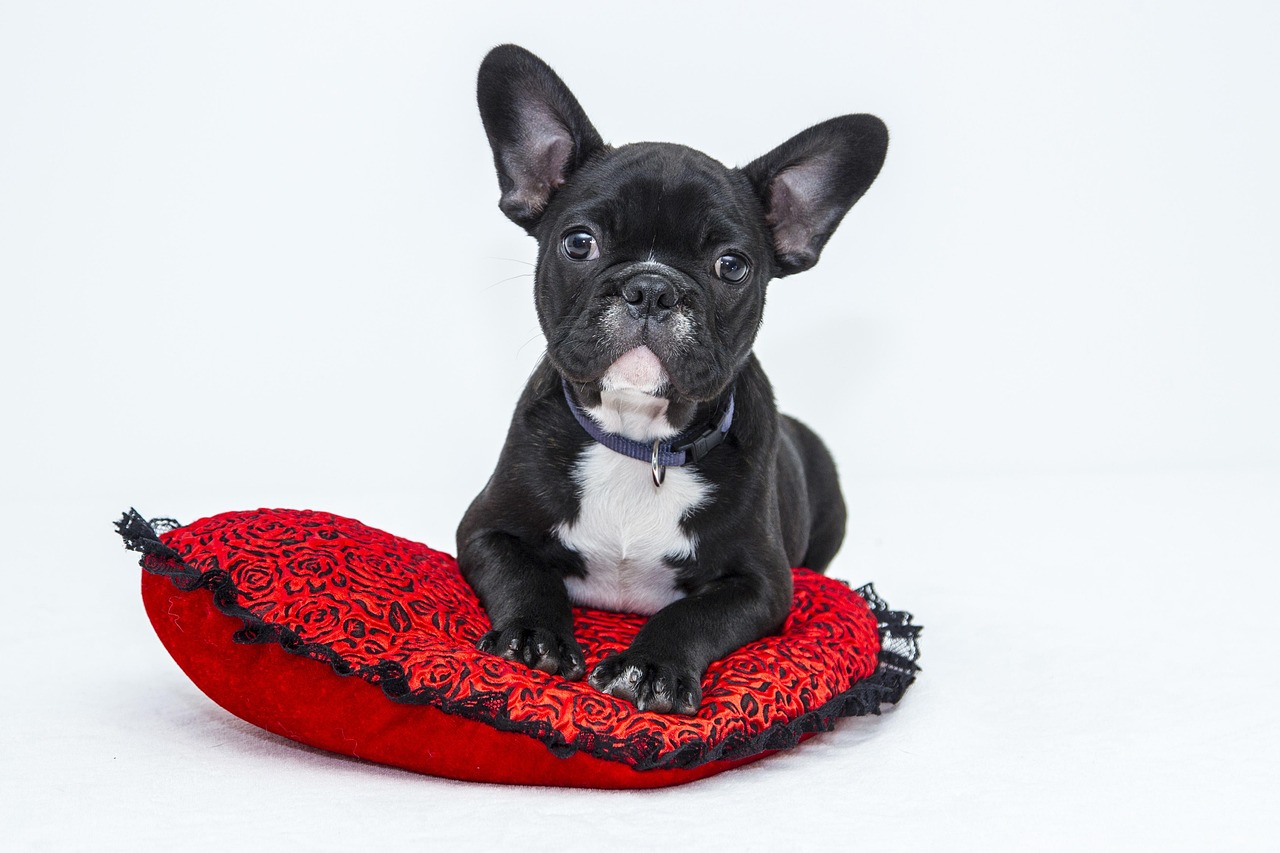
- Labrador Retriever. The Lab spent 31 years as America’s favorite dog, and it is still No. 2. This friendly Sporting breed was built for swimming and retrieving waterfowl. It also remains one of the most trainable family dogs around.
- Golden Retriever. Another Sporting retriever, the Golden is gentle, smart, and eager to please. It needs daily exercise and regular brushing. It pays owners back with steady affection. Our Golden Retriever guide covers its price, care, and joyful temperament.
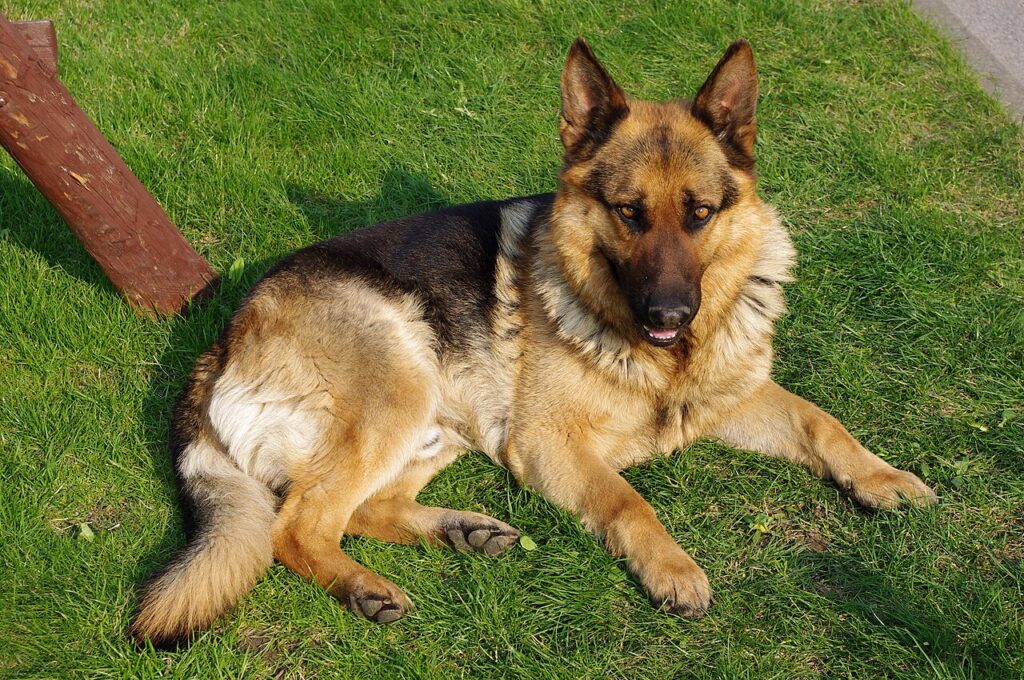
- German Shepherd Dog. A Herding breed with brains and nerve, the German Shepherd is widely trained for police and service work. For that reason, it needs training, exercise, and a confident owner.
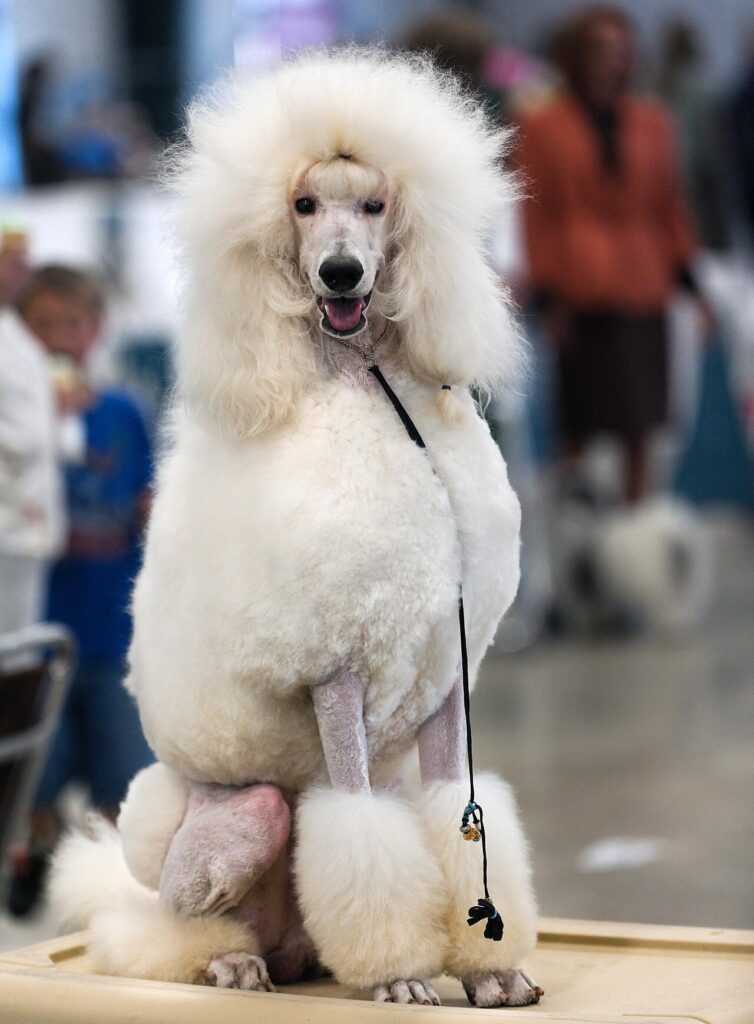
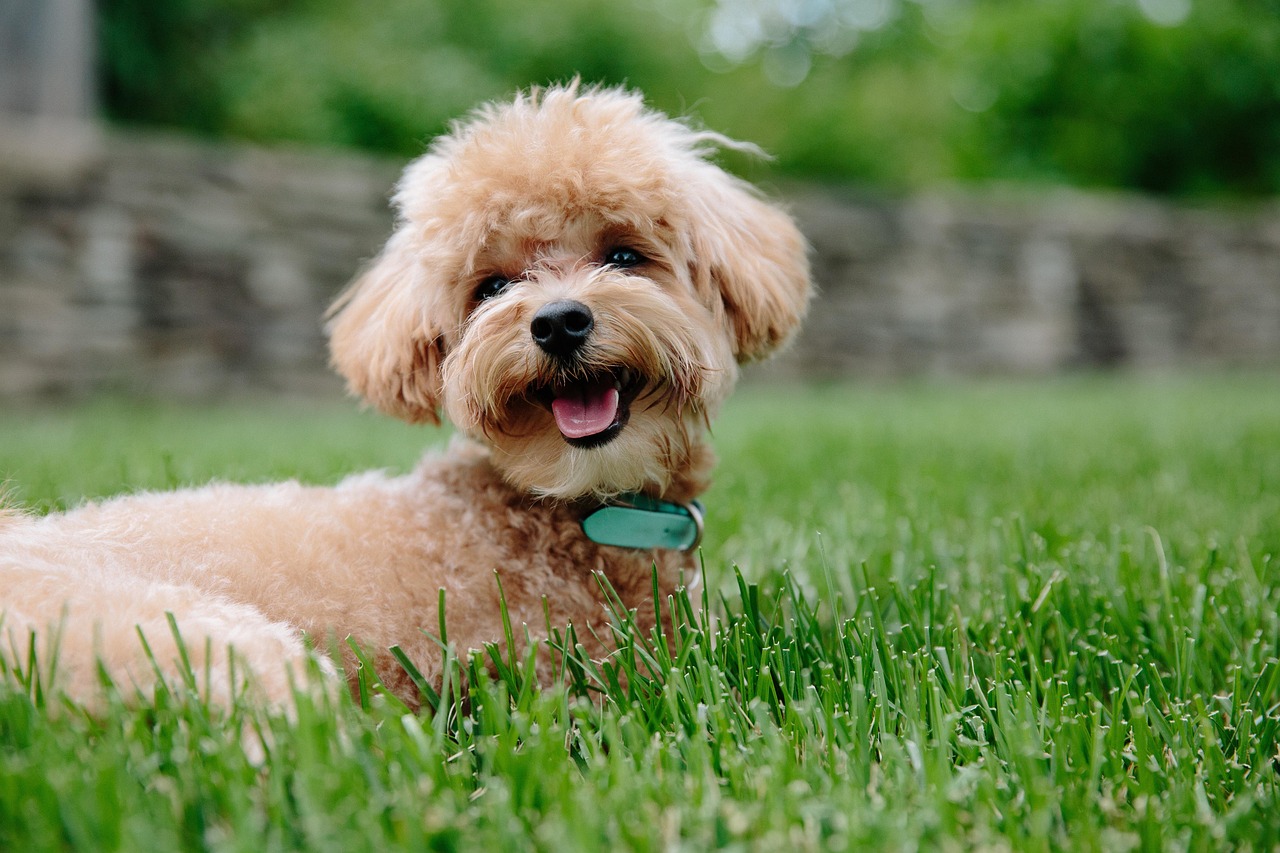
- Poodle. The Poodle sits in the Non-Sporting group and comes in Standard, Miniature, and Toy sizes. It sheds less than most breeds, but its curly coat needs regular brushing and professional grooming.
The Next 5 Dog Breeds
- Dachshund. This long, low Hound was bred to hunt underground. It is bold, clever, and full of personality. Its long back needs care, though. No jumping off high furniture, and keep its weight down.
- Beagle. A cheerful scent hound, the Beagle is merry, curious, and great with school-age kids. It follows its nose everywhere, though, so a secure yard and a leash are a must.
- Rottweiler. A powerful Working breed, the Rottweiler is loyal and confident. It needs early socialization, firm training, and an experienced owner.
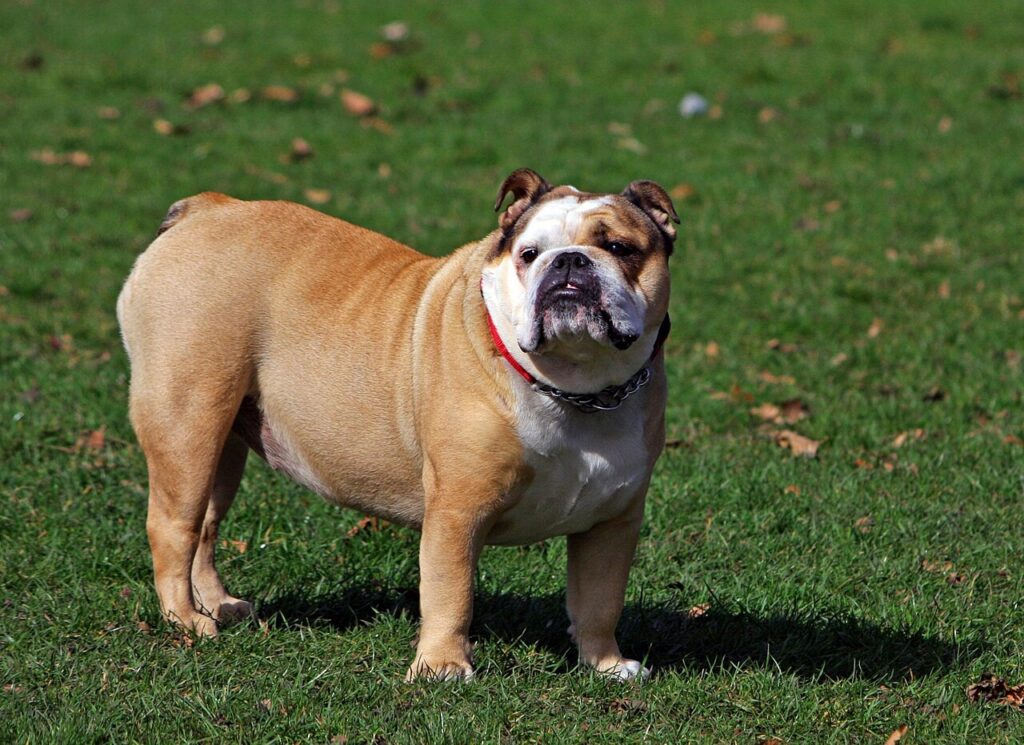
- Bulldog. This calm Non-Sporting breed is loyal and low-key, with a wrinkled face and a stubborn streak. It does best in a cooler home and needs care in summer heat.
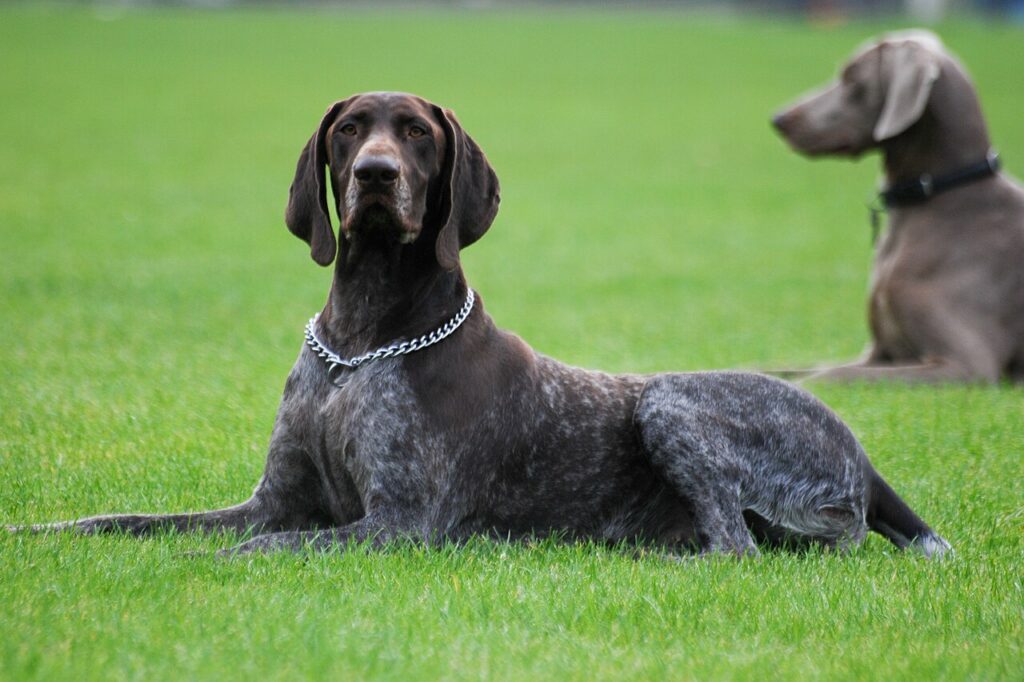
- German Shorthaired Pointer. A versatile Sporting breed that points and retrieves, it is athletic, smart, and happiest with an active owner who runs, hikes, or hunts.
The Best Dog Breeds as Pets, Rated Out of 10
Popularity tells you what people buy. It does not tell you how a breed actually lives in a home. So we rated America’s 10 most popular dog breeds as pets, scoring each one on temperament, trainability, family fit, exercise and grooming needs, and the health costs that come with it. Here is how they stack up, best first.
1. Golden Retriever — 9.6/10. The Golden takes our top spot because it does almost everything a family asks of a pet. It is gentle with kids, friendly with strangers, and eager to learn, so training feels easy even for beginners. It loses a few points for heavy shedding and the daily exercise it needs, but for most homes it is the closest thing to a perfect all-around pet.

2. Labrador Retriever — 9.5/10. The Lab finishes a whisker behind the Golden. It is just as friendly and trainable, and it is a little sturdier for rough-and-tumble play. Young Labs are famously bouncy and chew-happy, though, and the breed sheds a lot and gains weight easily. Give it swimming, fetching, and a firm hand on the food scoop, and it rewards you for a decade.

3. Poodle — 9.1/10. The Poodle is the smartest dog on this list, and one of the easiest to live with if you keep up with grooming. It learns fast, sheds very little, and comes in three sizes, so it fits apartments and houses alike. It drops points for the regular clipping its coat demands and for a sensitive streak that dislikes being left alone too long.
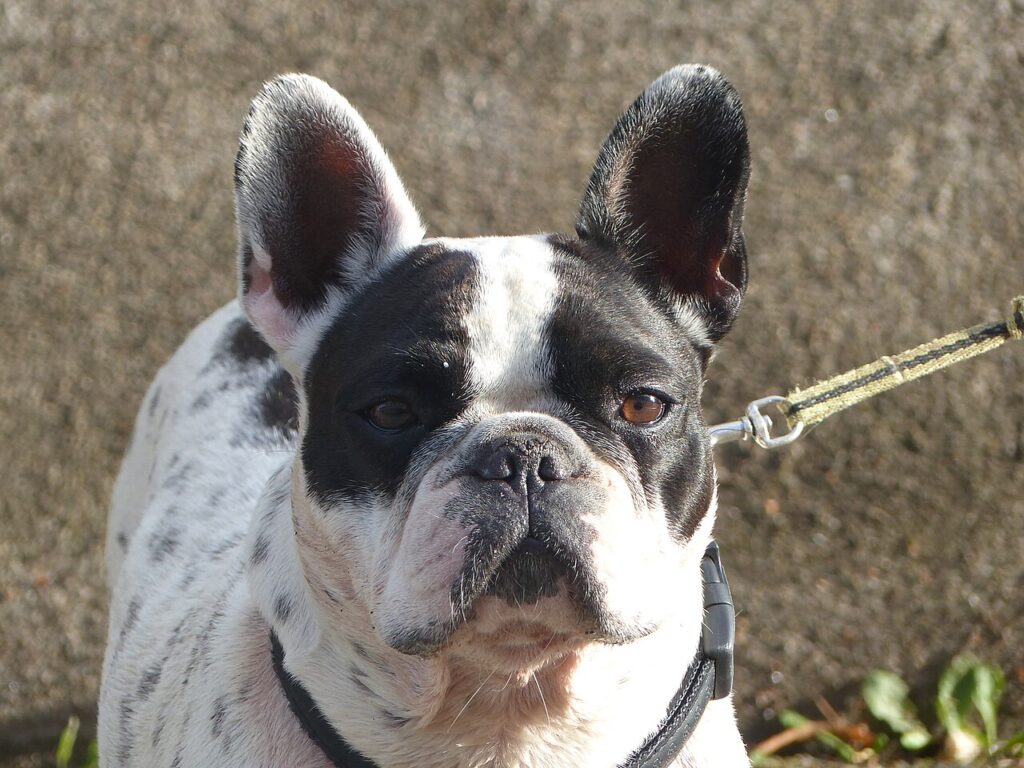
4. French Bulldog — 8.8/10. The Frenchie earns a high score for city life: small, quiet, funny, and happy with short walks and long naps beside you. It is a true companion breed that wants to be wherever you are. Its score is capped by real health concerns, though. Flat-faced breathing issues, heat sensitivity, and high prices mean a Frenchie needs an owner who is ready for vet bills.
5. Beagle — 8.6/10. The Beagle is a merry, sturdy, low-maintenance pet that loves children and other dogs. Its short coat needs almost no care, and its size suits most homes. It loses points for stubbornness on recall, a loud baying voice, and a nose that leads it into trouble. A fenced yard and patience with training keep a Beagle honest.

6. German Shepherd Dog — 8.4/10. Few breeds match the German Shepherd for loyalty and trainability. It bonds deeply, learns complex work, and watches over its family with quiet confidence. That devotion comes with demands, though: daily training, serious exercise, and constant shedding. In the right experienced home it is a superb pet. In a busy, absent one, it can become anxious and destructive.
7. Dachshund — 8.2/10. The Dachshund packs a big personality into a small, apartment-friendly body. It is brave, funny, and devoted, and it needs less exercise than most breeds on this list. It is also stubborn to housetrain, quick to bark, and prone to back trouble, so stairs and jumping need managing. For a patient owner, it is a charming little shadow.

8. Bulldog — 7.9/10. The Bulldog is calm, loyal, and wonderfully low-energy, which suits relaxed homes and apartment living. It asks for little exercise and gives a lot of affection. Its score is held back by health: breathing problems, skin care, heat sensitivity, and a shorter lifespan than most breeds here. A Bulldog is an easy pet day to day, but rarely a cheap one.
9. Rottweiler — 7.6/10. A well-raised Rottweiler is calm, loving, and deeply loyal to its family. The breed is smart and trainable, but it is also big and powerful, and it needs early socialization and confident handling. That makes it a poor match for first-time owners. With the right owner it is a steady, devoted pet. Without one, it is a liability.

10. German Shorthaired Pointer — 7.4/10. The GSP is a joyful, affectionate athlete that adores its people. It lands last here only because its needs are the biggest on the list: hours of exercise and a real job to do, every single day. With a runner, hiker, or hunter it is a dream pet. In a quiet home, its energy turns into barking, chewing, and escape attempts.
The pattern is simple: the highest scores go to the breeds that forgive beginner mistakes and fit ordinary routines. A lower score does not mean a bad dog. It means a dog whose needs are easier to get wrong.
Small, Medium, or Large: Picking the Right Size Dog Breed
Size shapes almost everything about life with a dog: food bills, vet bills, exercise needs, and how much room it takes up on your couch. As a rough guide, small dog breeds usually weigh under 25 pounds. Medium breeds run about 25 to 50 pounds, and large breeds start around 50 pounds.
In general, small breeds fit apartments and travel well, and they eat less and cost less to feed. However, some small breeds are fragile, and a few are yappy or hard to housetrain. Large breeds are often calmer indoors, but they eat more, need more space, and can knock over a toddler just by turning around.
Giant breeds may also live shorter lives than small ones. A Great Dane’s 7 to 10 years is a very different commitment from a Chihuahua’s 14 to 16. Think about your home first. A studio apartment suits a French Bulldog or a Shih Tzu far better than a Great Dane, while a house with a fenced yard opens the door to a Labrador or a German Shepherd.
How to Choose the Right Dog Breed for Your Life
The best dog breed is not the most popular one. It is the one whose needs match your life. Before you fall for a face, answer these five questions honestly.
How much time do you have? For example, a Border Collie needs hours of activity and training every day, while a Bulldog is happy with short walks and a nap. If you work long hours away from home, pick a breed that settles well alone, or plan on a midday walker.
How much exercise can you give? Match the breed’s energy to your own. A runner will love a German Shorthaired Pointer, while a homebody will be happier with a Cavalier King Charles Spaniel. Otherwise, a dog that does not get enough exercise will invent its own fun.
Who lives in your home? Families with small children need a sturdy, patient breed. Our guide to the best dogs for children compares 15 family-friendly breeds, so you can match a breed to your kids’ ages.
How much grooming can you handle? A Poodle’s coat needs brushing and professional grooming, while a Beagle needs a quick brush once a week. If allergies run in the family, know this: no dog is truly hypoallergenic. Some breeds shed less, but every dog produces allergens in skin and saliva.
What can you afford? Big dogs eat more and their vet bills run higher. Flat-faced breeds like French Bulldogs often need more vet care. Therefore, work out the yearly budget before you commit, not after.
Training matters for every breed. A well-trained dog of any breed is easier to live with than an untrained one of a “perfect” breed. Our step-by-step guide on how to train a dog covers the same reward-based methods that work across breeds.
Purebred, Crossbreed, or Rescue: Which Dog Breed Path Fits You?
A purebred dog comes from two parents of the same breed, with a pedigree and a predictable look and temperament. In short, that predictability is why people buy purebreds: you know how big the dog will get, what its coat will look like, and how much energy it will have.
A crossbreed, often called a designer dog, mixes two breeds on purpose. The Cavapoo, a cross between a Cavalier King Charles Spaniel and a Poodle, is a good example. Crossbreeds can blend the best of both parents, but the result is less predictable: one puppy may take after the Spaniel side and the next after the Poodle side. Our Cavapoo guide explains what that mix means for size, price, and temperament.

A rescue dog, whether purebred or mixed, needs a home and often costs far less than a breeder puppy. In addition, breed-specific rescues exist for almost every popular breed, and shelters let you meet an adult dog and see its real size, coat, and personality before you commit.
Whichever path you take, choose a responsible source. A good breeder health-tests the parents, shows you the results, and offers a written health guarantee. A breeder who cannot show you those results is one to walk away from. Never buy from a pet store or an online seller who will not let you meet the parents.
What Dog Breeds Cost in the USA
Purchase price is only the start. The ASPCA’s pet care cost table puts a dog’s first year at $3,221, including setup costs and a full year of care, and about $1,391 a year after that. Those figures come from a 2021 update, so treat them as a floor. Meanwhile, food, vet care, and insurance prices have all risen since then, and the price of the dog itself is not included.
| Cost | ASPCA estimate (2021) |
|---|---|
| Food per year | $300 |
| Routine vet care per year | $225 |
| Flea and heartworm prevention per year | $185 |
| Pet insurance per year | $516 |
| One-time setup (spay/neuter, vaccines, crate, training, gear) | $1,030 |
| First-year total | $3,221 |
| Yearly cost after year one | $1,391 |
Some breeds carry extra costs, too. For example, a Poodle needs professional grooming, a French Bulldog may need breathing care, and any dog can face a surprise emergency bill of thousands of dollars. As a result, an emergency fund or pet insurance bought while the dog is young and healthy takes the sting out of those surprises.
Dog Breeds for Families, Apartments, and First-Time Owners
There is no single best dog breed for everyone. However, some breeds fit common situations better than others.

For families with kids, look for sturdy, patient, tolerant breeds. For instance, Golden Retrievers, Labrador Retrievers, and Beagles top most family lists. Our guide to the best dogs for children breaks down 15 of them by size, energy, and grooming needs.
For apartments, pick a small or medium breed with moderate energy and a quiet nature. French Bulldogs, Shih Tzus, and Cavalier King Charles Spaniels are all strong apartment picks. A high-energy breed in a small space will get bored fast, and a bored dog barks, chews, and digs.
For first-time owners, choose a breed that is forgiving, eager to please, and easy to train. Labrador Retrievers, Golden Retrievers, and Poodles are classic first-dog picks. They respond well to reward-based training and tolerate beginner mistakes.
For allergy-prone homes, remember that no breed is truly hypoallergenic. Poodles and Bichon Frises shed less, which helps some people, but spend time with the breed before you commit.
Frequently Asked Questions
How many dog breeds are there?
There are more than 340 dog breeds known around the world. The American Kennel Club recognizes 202 breeds, with the Danish-Swedish Farmdog as the newest addition in January 2025.
What is the most popular dog breed in the USA?
The French Bulldog is the most popular dog breed in the United States. It has held the No. 1 spot in AKC registrations since 2022, followed by the Labrador Retriever, the Golden Retriever, the German Shepherd Dog, and the Poodle.
What are the 7 groups of dog breeds?
The AKC sorts its breeds into seven groups by the work they were bred to do: Sporting, Hound, Working, Terrier, Toy, Non-Sporting, and Herding. The Herding group is the newest, created in 1983.
Which dog breed is best for first-time owners?
Labrador Retrievers, Golden Retrievers, and Poodles are popular first-dog picks because they are friendly, eager to please, and respond well to reward-based training. The right first breed is the one whose energy and grooming needs match your life.
Are there hypoallergenic dog breeds?
No dog is truly hypoallergenic. Every dog produces allergens in its skin and saliva. Poodles and Bichon Frises shed less than most breeds, which helps some allergy sufferers, but spend time with the breed first to see how you react.
How much does a dog cost per year?
The ASPCA’s pet care cost table puts a dog’s first year at $3,221 and yearly care after that at about $1,391, based on 2021 figures. The price of the dog itself is extra, and big dogs cost more than small ones.
Which dog breeds are best for apartments?
Small to medium breeds with moderate energy and quiet natures do best in apartments, such as the French Bulldog, the Shih Tzu, and the Cavalier King Charles Spaniel. High-energy breeds need more space and activity than most apartments can offer.
Should I get a purebred or a mixed breed?
Both can make wonderful pets. A purebred gives you predictable size, coat, and temperament, while a mixed breed or rescue dog can be healthier, cheaper, and just as loving. Meet the individual dog, check the breeder or rescue carefully, and pick the dog that fits your life.
Dog breeds are not just looks. Each one carries a history of work, a set of needs, and a personality shaped over generations. Pick the breed that fits your home, your schedule, and your budget. The perfect pup is not the most popular one. It is the one whose needs you can meet, day after day, for years to come.