French Bulldog: The Complete Price, Care & Training Guide

A French Bulldog trots into a room on short legs, bat ears up, and every head turns. This small, muscular dog with a flat face and a clownish streak has become the most popular dog breed in the United States. A Frenchie fits in an apartment, loves people, and doesn’t need much exercise.
So what is a French Bulldog, exactly? A French Bulldog is a small companion dog with large upright bat ears, a short muzzle, and a broad, heavily muscled chest. Full-grown French Bulldogs weigh under 28 pounds and stand 11 to 13 inches tall. They usually live 10 to 12 years. They’re playful, adaptable, and happiest close to their people.
What a French Bulldog Really Is
The Frenchie got its start in England, not France. In the 1800s, English lace workers who moved to France for work brought small toy bulldogs with them. The little dogs became favorites in Paris workshops and cafes. The breed’s trademark bat ears were set by the French Bull Dog Club of America, and the American Kennel Club recognized the breed in 1898.
The breed’s rise in America is recent — and remarkable. In 2012, the breed ranked No. 14 in AKC registrations, and by 2021 it had climbed to No. 2. In 2022, it took the No. 1 spot from the Labrador Retriever, ending the Lab’s 31-year run at the top, and according to the AKC it has held the top spot every year since, including 2024.

French Bulldog Size, Weight, and Lifespan at a Glance
| Trait | Typical range |
|---|---|
| Adult weight | Under 28 pounds |
| Adult height | 11 to 13 inches at the shoulder |
| Lifespan | 10 to 12 years |
| Coat | Short, smooth, average shedding |
| Energy level | Moderate |
| Grooming | Brush weekly, clean face folds daily |
Don’t let the small size fool you. This is a dense, heavily muscled dog for its height, with a broad chest and a compact body. Extra weight strains the back and makes breathing harder, so a lean Frenchie is a healthier Frenchie.
Coat Colors and Markings
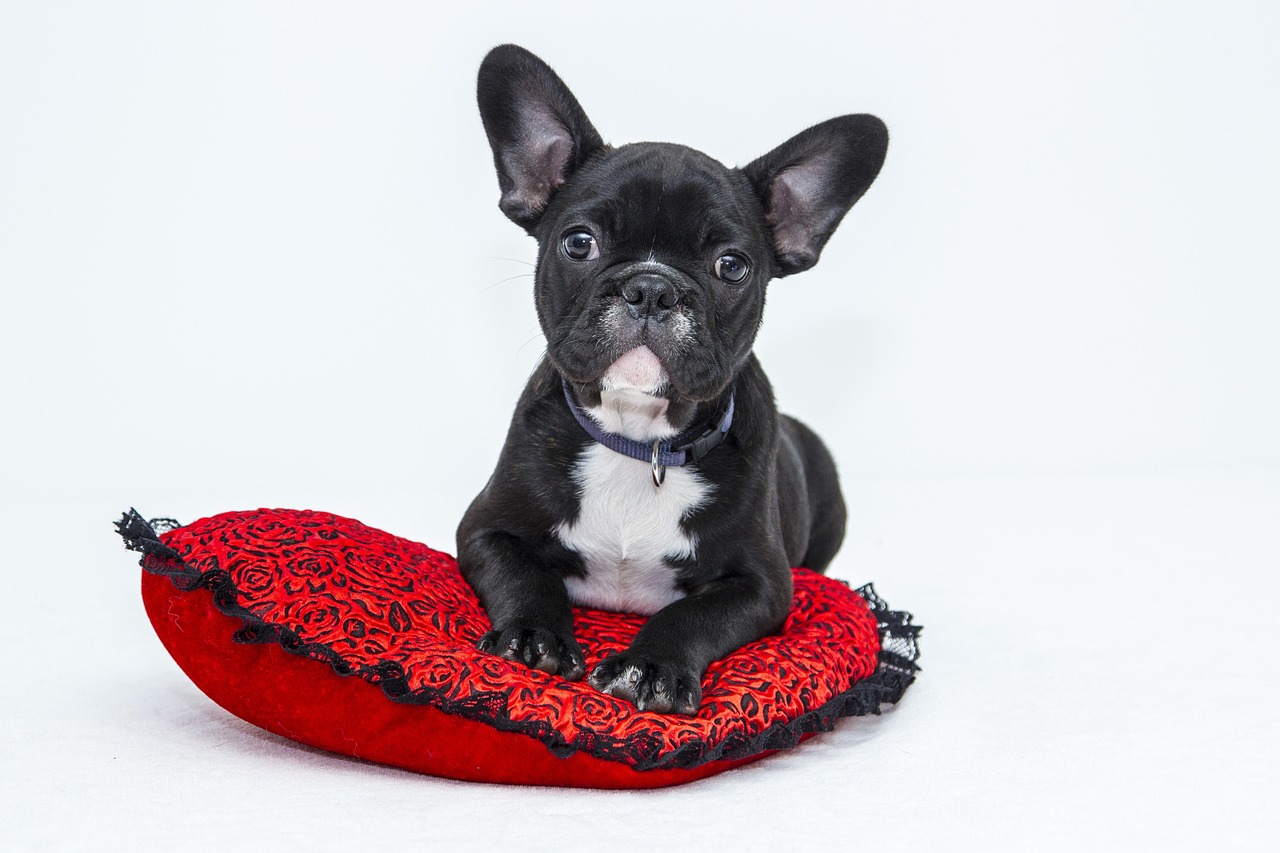
Standard coat colors are brindle, fawn, white, and combinations of those, including pied — a mostly white coat with patches of color. Brindle is the most common, and fawn ranges from pale cream to deep reddish tan, often with a dark mask.
Sellers often charge a lot more for “rare” colors like blue, lilac, or merle, with prices that can climb past $10,000. A higher price tag for a color is never a sign of a healthier dog. Blue and merle fall outside the breed standard, and merle carries extra risk: when two merle dogs are bred together, puppies can be born deaf or blind.
French Bulldog Temperament: A Clown That Stays Close

If you want a dog that makes you laugh, the Frenchie delivers. These dogs are playful, curious, and full of personality. They snort, snore, grunt, and make a whole range of sounds that owners quickly learn to read. They love games, they love attention, and they’re rarely far from their family.
Frenchies are also famously good with kids and usually get along well with other pets, especially when they’re socialized early. But they’re not guard dogs: a stranger at the door gets a greeting, not a warning.
That people-loving nature has one real downside: they don’t like being left alone. A Frenchie left alone for long hours can get anxious and destructive, chewing furniture or barking at every sound. This breed does best in a home where someone is around most of the day, or where a walker or sitter covers the middle of the day.
Training a French Bulldog
A Frenchie learns fast when training feels like a game. Keep sessions short, fun, and packed with rewards, and your dog will work hard for a treat or a favorite toy. PetMD’s breed guide recommends positive reinforcement, and that matches what owners see in practice: this breed does best with praise, play, and patience.
Start the day your puppy comes home, with sessions of five or ten minutes, two or three times a day. Teach sit, stay, come, and leave it first, and reward the right behavior the moment it happens. Crate training gives your puppy a safe place to rest and helps with alone-time practice, and house training works best on a steady schedule, with a potty break after meals, play, and naps. For a full step-by-step plan, our guide on how to train a dog covers the same reward-based methods in detail.
Socialize your puppy early, too: new people, household sounds, and friendly dogs in the first few months build a confident adult.
Exercise: Short Walks, Not Marathons

A Frenchie needs moderate exercise — about 30 to 45 minutes a day, split into short walks and playtime. Two 15-minute walks plus a game of fetch or tug-of-war usually cover it, and after that, most Frenchies are happy to nap beside you.
Don’t expect a running partner. The flat face that makes a Frenchie so cute also limits its breathing, and this breed tires fast, especially in heat. Watch for heavy panting or lagging behind, and stop before your dog is worn out. In summer, walk early in the morning or after sunset, carry water, and never leave a Frenchie in a hot car.
Frenchies can’t swim well because of their heavy front end and short legs, and they should never be left unattended near a pool, lake, or beach. A life jacket helps, but it’s no substitute for watching them closely.
Grooming and Shedding
For a dog with such a short coat, a Frenchie needs a surprising amount of grooming, but none of it is hard. Brush once a week with a soft brush or grooming mitt to catch loose hair. Bathe every one to two months, or more often if skin allergies flare up, using a gentle dog shampoo.
The face folds need daily attention. Wipe the wrinkles with a damp cloth or a dog-safe wipe after meals, and dry them thoroughly, because trapped food, drool, and moisture can lead to sores and infection. Wipe the eyes as needed to clear drainage.
Clean the ears every week or two with a dog ear cleanser, and always after a bath. Trim the nails every few weeks, and brush the teeth regularly, since small, crowded mouths are prone to dental disease.
What to Feed Your French Bulldog
Feed a complete, balanced food made for your dog’s life stage, puppy, adult, or senior, that meets AAFCO guidelines, with real meat listed first. Puppies need three to four small meals a day on a steady schedule. Adults do well on two meals a day. Puppies should stay on puppy food until they’re one year old, then eat adult food from ages one to seven and a senior diet after that.
Measure every meal. This breed gains weight easily, and extra pounds make breathing harder and raise the risk of back injuries. Treats should never make up more than 10 percent of the daily diet. A lean Frenchie breathes easier, moves better, and lives longer.
Some Frenchies have food sensitivities, so watch for itchy skin, ear infections, or an upset stomach after meals, and tell your vet if a pattern appears. Our list of the best dog food brands in the USA compares formulas by life stage, budget, and need.
Health Problems to Watch For
A Frenchie can be a healthy companion, but the breed carries real health risks. The notes below are general information, not veterinary advice. PetMD’s French Bulldog breed guide covers the same conditions in more detail, and your own vet should guide every health decision.
Brachycephalic obstructive airway syndrome, or BOAS, is the defining risk. That flat face means narrow nostrils, a long soft palate, and a narrow windpipe, so affected dogs breathe noisily, tire easily, and struggle in heat. Severe cases need surgery, and published 2026 cost guides put airway surgery at roughly $3,500 to $6,500. Ask the breeder whether the parents were screened for breathing problems.
Skin allergies are common and often show up as licking or chewing the feet, scratching, head shaking, redness, or ear infections. Allergies can be managed but not cured, and severe cases may need medicated shampoo, special food, or regular vet visits for life.
Ear infections are another common problem, caused by allergies or the shape of the ear canal. Head shaking, scratching, odor, or redness are all signs it’s time to book a vet visit.
Back, Joints, Eyes, and Birth
Back injuries, including intervertebral disc disease, are a serious risk in this long-backed, heavy-fronted breed. Don’t let your Frenchie jump off high furniture; train it to use steps or a ramp instead. Keep its weight down and its muscles strong with steady exercise. Any change in gait, from limping to dragging the back legs, needs a vet visit the same day.
Other conditions include hip dysplasia, where the hip joint doesn’t develop properly; patellar luxation, where the kneecap slips out of place; and cherry eye, where the gland of the third eyelid slips out and appears as a red lump at the corner of the eye.
Frenchies are rarely able to give birth naturally because of the shape of the pelvis and the size of the puppies’ heads, so a C-section is usually required — one reason Frenchie puppies cost so much.
Before you buy, ask the breeder about health testing on the parents: breathing, spine, hips, patellas, and eyes. If a breeder can’t show you those results, walk away. After you bring your puppy home, keep up with vaccinations, flea and heartworm prevention, and yearly checkups. Learn the warning signs that need urgent care — struggling to breathe, blue gums, or collapse — and read our emergency vet guide.
How Much Does a French Bulldog Cost in the USA?
| Cost | Typical range in 2026 |
|---|---|
| Puppy from a reputable breeder | $1,500 to $5,000 |
| Puppy in a rare color | $6,500 to $10,000 or more |
| Adoption fee from a breed rescue | Around $1,200 |
| First-year total, including purchase | $4,800 to $8,750 |
| Yearly care after year one | $2,000 to $4,000 |
| Pet insurance per month | $55 to $95 |
The purchase price is just the start. Prices well below $1,500 should raise a red flag: very cheap puppies often come from puppy mills or scams, with no health testing and no support. A breeder who health-tests both parents and offers a written health guarantee charges more because that work costs more.
Rescue is a real option, too. The French Bulldog Rescue Network lists adoption fees of about $1,200. An adult rescue lets you see the size, coat, and temperament before you commit — something a puppy never can.
Budget for the long haul, too. Between food, routine vet care, insurance, and the allergy and ear care many Frenchies need, yearly costs after year one usually land between $2,000 and $4,000, and a single airway or spine surgery can add thousands more. Set aside an emergency fund from day one, or get insurance while your dog is young and healthy.
French Bulldog vs Pug vs English Bulldog
| Trait | French Bulldog | Pug | English Bulldog |
|---|---|---|---|
| Adult weight | Under 28 pounds | 14 to 18 pounds | 40 to 50 pounds |
| Adult height | 11 to 13 inches | 10 to 13 inches | 14 to 15 inches |
| Lifespan | 10 to 12 years | 12 to 15 years | 8 to 10 years |
| Energy level | Moderate | Low to moderate | Low |
| Shedding | Average | Heavy | Average |
| Breathing risk | High | High | High |
| Best for | Apartments, city life | Quiet homes, first-time owners | Calm homes with space |
All three share the breathing and heat risks of a flat face. The Frenchie is the most athletic of the group and the best fit for an active city life. The Pug is smaller and calmer, and it sheds far more than its short coat suggests. The English Bulldog is much heavier and slower, with the shortest lifespan of the three.
Is a French Bulldog Right for Your Home?

This breed does best in a home where someone is around most of the day. Apartments suit Frenchies well, since they’re small, quiet by nature, and content with short walks and play. They don’t need much space, but they do need a lot of company.
Think carefully if you work long hours away from home or want a dog that can be left alone all day. This dog won’t thrive in that life, so plan on a sitter, a walker, or a good boarding kennel. Our dog boarding guide explains kennel types and costs, so you can pick care that fits this sociable little dog.
Travel takes some planning, too. Most major US airlines — including American, United, and Delta — refuse flat-faced dogs in the cargo hold because of the breathing risk. A Frenchie can usually fly in the cabin in an approved carrier under the seat, but double-check the rules with the airline before you book, since policies change.
Be honest about the vet bills, too. A Frenchie is one of the most expensive breeds to own, not because of the purchase price but because of the health care that often follows. If surprise vet bills would strain your budget, this isn’t the breed for you.
Frequently Asked Questions
Are French Bulldogs hypoallergenic?
No. French Bulldogs shed a moderate amount and produce allergens in skin and saliva like any dog. No dog is truly hypoallergenic.
How big does a French Bulldog get?
Most adults weigh under 28 pounds and stand 11 to 13 inches tall at the shoulder.
Do Frenchies bark a lot?
They’re not heavy barkers. They may bark at the door, when they’re excited, or when they’re left alone too long. Steady training and enough exercise keep barking to a minimum.
How long do Frenchies live?
A healthy Frenchie usually lives 10 to 12 years.
Are Frenchies good with children?
Yes. They’re usually gentle and patient with kids, and they get along well with other pets when they’re socialized early. Teach kids to play gently.
How much does a French Bulldog cost?
In 2026, a puppy from a reputable US breeder usually costs $1,500 to $5,000, with rare colors costing far more. The first year, including the purchase, usually runs $4,800 to $8,750.
Can Frenchies swim?
No, not safely. Their heavy front and short legs make them poor swimmers, so never leave them unattended near water.
Can they be left alone during the workday?
They can learn to settle alone for a few hours, but a full workday alone is too much for most of them. Arrange a midday walker or sitter for days you’re out all day.
This little dog has a big personality. It asks for short walks, clean wrinkles, patient training, and a lot of your company, and in return it gives steady affection and daily comedy for 10 to 12 years. Choose your breeder with the same care you’d use to choose the puppy.