Bald Eagle Diet, Powerful Feeding Habits
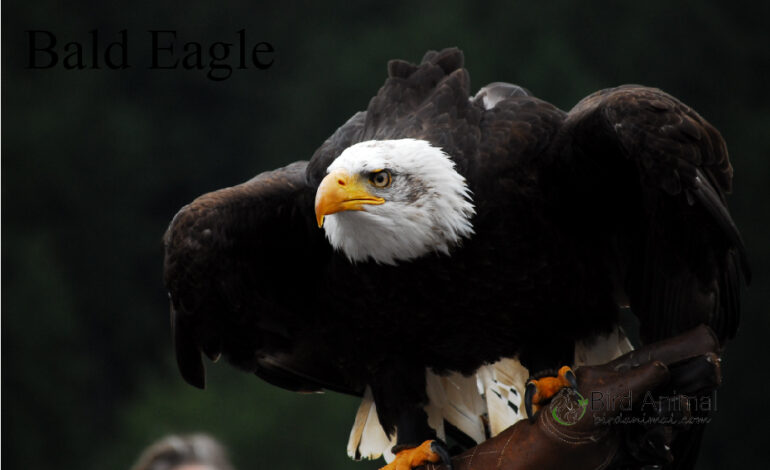
The Bald Eagle Diet is one of the most fascinating topics about this iconic bird of prey. Many people wonder what bald eagles eat, how they hunt, and whether these powerful birds only feed on fish. The truth is more diverse. While fish make up a major part of their meals, bald eagles are skilled opportunistic hunters that adapt their diet based on location, season, and available food sources.
In this guide, you will discover what bald eagles eat, how they find food, their hunting techniques, feeding behavior, and the surprising facts behind their survival as one of North America’s most successful raptors.
What Is a Bald Eagle’s Diet?
Bald eagles mainly eat fish such as salmon, trout, and catfish. However, they also eat water birds, small mammals, turtles, snakes, and carrion.
Their flexible feeding habits allow them to survive in different environments, from coastal areas and lakes to rivers and forests.
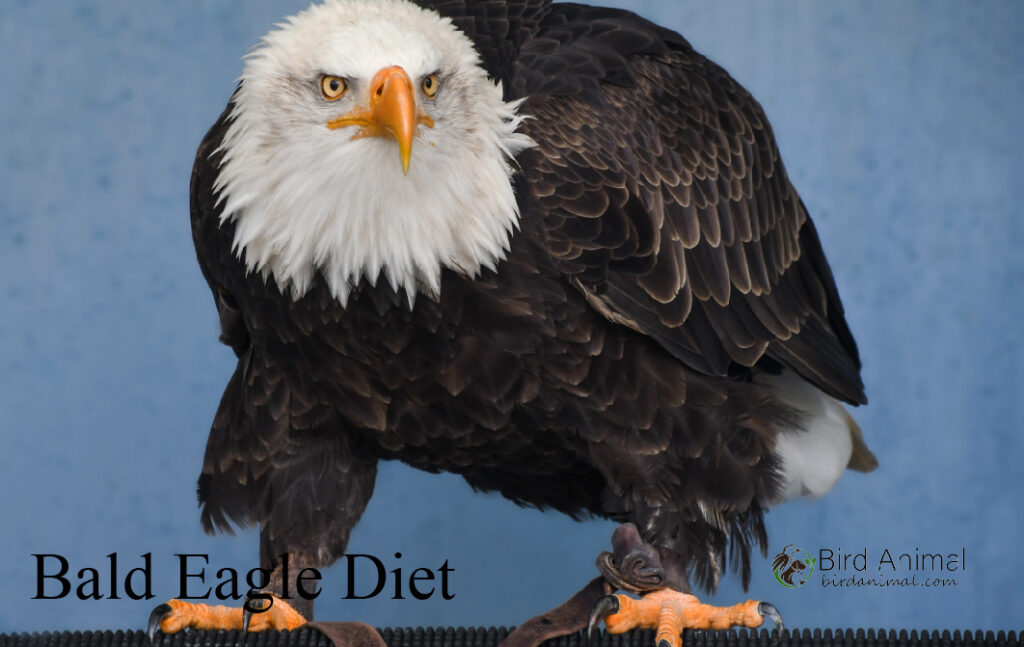
Bald Eagle Diet: Main Foods They Eat
Bald eagles are carnivorous birds. Their strong beaks, sharp claws, and excellent eyesight help them capture a wide range of prey.
1. Fish: The Favorite Food of Bald Eagles
Fish are the most important part of the Bald Eagle Diet. These birds are strongly associated with rivers, lakes, and coastal regions because fish provide a rich source of protein and fat.
Common fish eaten by bald eagles include:
· Salmon
· Trout
· Catfish
· Carp
· Herring
· Pike
· Bass
Bald eagles usually hunt fish by flying above the water and using their incredible vision to spot movement below the surface. They then dive quickly, extending their powerful talons to grab the fish.
However, they do not always catch fish themselves. Bald eagles also steal fish from other birds, especially ospreys, when the opportunity arises.
2. Birds and Waterfowl
Although fish are their primary food, bald eagles also hunt other birds.
Their bird prey may include:
· Ducks
· Geese
· Gulls
· Coots
· Cranes
· Smaller birds
Bald eagles usually target weaker, injured, or young birds because they require less energy to capture.
During winter, when fish may become harder to find, birds can become a more important part of their diet.
3. Small Mammals
The Bald Eagle Diet can also include several small mammals. These provide additional nutrition, especially in areas where fish populations are limited.
Examples include:
· Rabbits
· Squirrels
· Rats
· Muskrats
· Prairie dogs
However, bald eagles are not specialized ground hunters like some other raptors. They usually depend more on aquatic food sources.
4. Reptiles and Amphibians
Bald eagles sometimes eat reptiles and amphibians when they are easily available.
They may consume:
· Turtles
· Snakes
· Frogs
· Lizards
Young turtles are easier for bald eagles to catch, while larger turtles may be harder to catch because of their protective shells.
5. Carrion and Dead Animals
One interesting part of the Bald Eagle Diet is its ability to eat carrion, or dead animals.
They may feed on:
· Dead fish
· Roadkill
· Animal remains
· Dead livestock
This behavior helps them survive during periods when hunting is difficult.
Using available food sources is an important survival strategy for bald eagles.
How Much Does a Bald Eagle Eat?
A healthy adult bald eagle typically eats about 0.5 to 1 pound (225–450 grams) of food per day, though this can change with age, season, activity level, and food availability.
During nesting season, adults may require more food because they must feed their chicks.
A breeding pair with young can spend many hours searching for enough prey to support their growing family.
How Do Bald Eagles Hunt for Food?
Bald eagles are expert hunters because they combine powerful physical abilities with excellent eyesight.
Amazing Vision Helps Them Find Prey
A bald eagle can see much farther than humans. Their sharp eyesight allows them to detect fish movement from high above the ground.
When hunting, they often:
1. Fly over rivers or lakes.
2. Scan the water for movement.
3. Dive rapidly toward prey.
4. Grab food using their curved talons.
Their feet have strong muscles and sharp claws designed to catch and hold prey.
Bald Eagle Fishing Technique
Fishing is one of the most impressive parts of their hunting behavior.
A bald eagle usually flies close to the water surface before extending its feet forward. Once it catches a fish, it uses its wings to lift itself back into the air.
Sometimes, if a fish is too heavy, the eagle may struggle and even swim using its wings until it reaches the shore.
Bald Eagle Diet by Season
Food availability changes throughout the year, so bald eagles adjust their diet.
| Season | Common Foods |
| Spring | Fish, birds, small mammals, food for chicks |
| Summer | Fish, water birds, reptiles |
| Autumn | Salmon, larger fish, seasonal prey |
| Winter | Fish, carrion, waterfowl, available animals |
During colder months, frozen lakes and rivers may reduce access to fish. As a result, bald eagles often rely more on carrion and alternative prey.
Do Bald Eagles Only Eat Fish?
No, bald eagles do not only eat fish.
Although fish are their preferred food, they are opportunistic predators. They eat whatever nutritious food is available in their environment.
For example:
· Coastal bald eagles may eat mostly marine fish.
· Inland bald eagles may depend on freshwater fish and birds.
· Winter populations may consume more carrion.
This adaptability is one reason bald eagles have successfully recovered and expanded their populations.
Bald Eagle Diet Compared With Other Eagles
| Eagle Species | Main Food Sources |
| Bald Eagle | Fish, birds, mammals, carrion |
| Golden Eagle | Rabbits, mammals, birds |
| Harpy Eagle | Monkeys, sloths, forest animals |
| Sea Eagle | Fish, birds, marine animals |
Unlike golden eagles, which often specialize in hunting mammals, bald eagles are closely tied to aquatic environments.
What Do Baby Bald Eagles Eat?
Baby bald eagles, called eaglets, depend completely on their parents for food.
Parents bring small pieces of prey to the nest and feed their chicks.
Their diet usually includes:
· Soft fish pieces
· Small birds
· Small mammals
· Other easy-to-eat prey
As eaglets grow stronger, they begin practicing movements needed for hunting and eventually learn to survive independently.
Do Bald Eagles Drink Water?
Yes, bald eagles drink water, although they receive some moisture from their food.
They usually drink from:
· Rivers
· Lakes
· Streams
· Wetlands
They also bathe regularly to keep their feathers clean and maintain proper flight ability.
Bald Eagle Feeding Behavior and Survival Strategies
The Bald Eagle Diet is not only about what these birds eat but also how they find, capture, and use food. Their feeding behavior shows how adaptable and intelligent these raptors are.
Bald eagles are opportunistic feeders, meaning they do not always hunt the strongest or fastest prey. Instead, they often choose the easiest available food source that provides enough energy.
For example, a bald eagle may catch a fish from a river, steal prey from another bird, or feed on a dead animal if hunting requires too much energy.
How Do Bald Eagles Find Food?
Bald eagles rely heavily on their powerful eyesight to locate prey.
Their hunting process usually includes:
1. Flying high above water or land.
2. Searching for movement below.
3. Identifying possible prey.
4. Diving quickly and using their talons to capture food.
Their eyes are specially adapted for detecting small movements from long distances. This ability gives them an advantage when hunting near rivers and lakes.
Do Bald Eagles Steal Food From Other Animals?
Yes, bald eagles sometimes steal food from other animals. This behavior is called kleptoparasitism.
One common example is stealing fish from ospreys.
The bald eagle may chase an osprey carrying a fish until the smaller bird drops its catch. The eagle then takes the fish without expending energy to catch it.
However, this does not mean bald eagles cannot hunt. They are excellent hunters but use opportunities when they appear.
What Foods Do Bald Eagles Avoid?
Although bald eagles have a flexible diet, they usually avoid food that is difficult to obtain or provides little nutritional value.
They generally avoid:
· Large healthy mammals
· Dangerous prey that can cause injury
· Rotten food that may be unsafe
· Hard-to-break items
Their feeding choices are based on energy efficiency. A successful predator does not waste too much energy chasing difficult prey.
Bald Eagle Diet and Habitat Connection
The environment strongly affects what bald eagles eat.
Their diet changes depending on where they live.
Coastal Bald Eagles
Coastal populations often eat:
· Marine fish
· Water birds
· Sea animals
· Dead marine animals
Because oceans and coastal waters provide abundant food, these areas can support large eagle populations.
Inland Bald Eagles
Bald eagles living near lakes and rivers mainly consume:
· Freshwater fish
· Ducks
· Small mammals
· Amphibians
They depend heavily on healthy freshwater ecosystems.
Forest and Mountain Areas
In areas with fewer fish sources, bald eagles may eat more:
· Birds
· Mammals
· Carrion
Their ability to change their diet helps them survive in different habitats.
How Bald Eagle Parents Feed Their Chicks
Raising young eaglets requires a constant food supply.
Adult bald eagles work together to feed their offspring.
The process usually involves:
1. One adult protects the nest.
2. The other searches for food.
3. The captured prey is brought back to the nest.
4. Parents tear food into smaller pieces for chicks.
Young eaglets cannot hunt, so they depend completely on their parents during early development.
Bald Eagle Diet: Nutritional Needs
A balanced diet provides bald eagles with the energy required for:
· Flying long distances
· Hunting
· Protecting territory
· Raising chicks
· Maintaining healthy feathers
Their food provides:
| Nutrient | Importance |
| Protein | Supports muscles and growth |
| Fat | Provides energy for flight |
| Minerals | Helps maintain bones and body functions |
| Water | Supports overall health |
Fish are especially valuable because they provide high-quality protein and energy.
Common Misunderstandings About Bald Eagle Food
Myth 1: Bald Eagles Only Eat Fish
Fact: Fish are their favorite food, but they also eat birds, mammals, reptiles, and carrion.
Myth 2: Bald Eagles Cannot Hunt
Fact: Bald eagles are powerful hunters with excellent eyesight and strong talons.
Myth 3: Bald Eagles Eat Only Fresh Food
Fact: They often consume carrion, especially when hunting conditions are difficult.
Are Bald Eagles Dangerous to Humans?
Bald eagles generally avoid humans and are not considered a threat.
They are wild predators, so people should maintain a safe distance, especially near nests or feeding areas.
Never attempt to feed or handle a wild bald eagle.
How Human Activity Affects Bald Eagle Food Sources
Food availability plays a major role in bald eagle survival.
Human activities can affect their food supply through:
· Water pollution
· Habitat destruction
· Declining fish populations
· Disturbance near nesting areas
Protecting rivers, lakes, wetlands, and forests helps maintain healthy ecosystems where bald eagles can find food.
How to Observe Bald Eagles Safely
If you want to watch bald eagles in nature:
· Keep a respectful distance.
· Avoid disturbing nesting areas.
· Use binoculars instead of approaching closely.
· Do not provide artificial food.
· Follow local wildlife regulations.
Responsible observation helps protect these magnificent birds.
Frequently Asked Questions About Bald Eagle Diet
What is a bald eagle’s favorite food?
A bald eagle’s favorite food is usually fish, especially species found in rivers, lakes, and coastal waters. Fish provide the protein and energy these birds need for survival.
Can bald eagles eat chickens?
Yes, bald eagles can occasionally eat chickens or other domestic birds. However, they usually prefer natural prey such as fish and wild birds.
Do bald eagles eat snakes?
Yes, snakes can be part of the Bald Eagle Diet, especially when other food sources are limited.
Do bald eagles eat dead animals?
Yes. Bald eagles often eat carrion, including dead fish and animals. This helps them survive when fresh prey is unavailable.
How often do bald eagles eat?
Bald eagles usually eat daily or every few days, depending on food availability. They can store extra food in their crop, a special part of their digestive system.
Do bald eagles hunt at night?
No. Bald eagles hunt during the day because they rely on their excellent eyesight to locate prey.
What do bald eagles eat in winter?
During winter, bald eagles often eat fish, water birds, and carrion. Frozen waterways may make fishing harder, so they become more flexible with food choices.
Conclusion: Understanding the Bald Eagle Diet
The Bald Eagle Diet shows why these birds are among North America’s most successful predators. Although fish remain their primary food, bald eagles are adaptable hunters that can survive by eating a wide variety of prey.
Their ability to adjust their feeding habits according to season, habitat, and food availability has helped them thrive in many environments.
Protecting natural waterways and wildlife habitats is essential because healthy ecosystems provide the food bald eagles need to survive.


